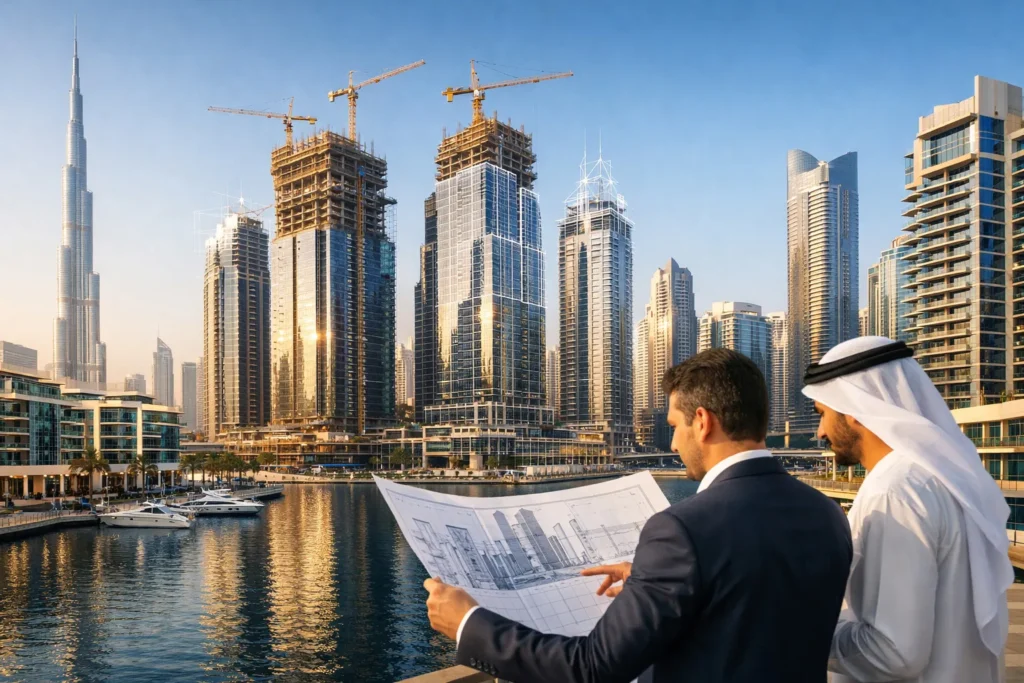


Dubai has transformed into one of the world’s most dynamic real estate markets over the past two decades. The city attracts investors, developers, and property buyers from every corner of the globe. This explosive growth has created a strong demand for trained professionals who understand the market deeply.
If you’re considering a career in real estate, formal education can give you a significant advantage. A Dubai real estate course teaches you the practical skills needed to succeed in brokerage, sales, or property management. For those seeking advanced knowledge, a real estate masters dubai program in Dubai offers strategic insights into development, finance, and market analysis.
The industry is becoming more competitive each year. Clients expect professionalism and expertise. Employers want people who know regulations, market trends, and investment principles inside out. Whether you’re fresh out of school or switching careers, real estate education in Dubai can open doors you didn’t know existed.
Why Study Real Estate in Dubai?
Dubai’s real estate sector is unlike any other in the region. The city is constantly evolving with new regulations, technologies, and market dynamics. Understanding why Dubai stands out as an education hub matters before you commit to any program.
Strong and Diverse Real Estate Market
Dubai’s property market includes luxury villas in Palm Jumeirah, affordable apartments in International City, commercial towers in Business Bay, and industrial warehouses in Jebel Ali. This variety means you’ll learn to analyze different segments and understand diverse client needs.
The market has shown resilience through economic cycles. While it experiences ups and downs like any market, the long-term trajectory remains positive. Government initiatives like long-term visas and property ownership reforms continue to attract foreign investment.
Global Exposure and International Standards
Dubai connects the Middle East, Asia, Europe, and Africa both geographically and commercially. You’ll interact with clients from over 200 nationalities. This exposure is invaluable if you plan to work internationally or serve high-net-worth clients.
The city follows international best practices in property law, development standards, and professional conduct. What you learn here translates to markets worldwide. Many graduates find their Dubai qualifications recognized globally.
Practical Industry Learning
Most reputable programs focus on hands-on education. You won’t just memorize theories from textbooks. You’ll analyze real projects happening across Dubai right now. Some programs include:
- Site visits to active construction projects
- Case studies of successful developments
- Internships with established brokerages or developers
- Guest lectures from industry leaders
- Live market analysis exercises
This practical approach prepares you for actual challenges you’ll face in the field. Theory provides foundation, but application builds competence.
Career Growth Opportunities
Dubai’s real estate sector employs hundreds of thousands of professionals. New developments mean new jobs continuously. The government’s vision for 2030 includes massive infrastructure and housing projects.
Trained professionals with recognized qualifications often find themselves in high demand. Whether you want to work for major developers like Emaar or start your own brokerage, the opportunities exist if you have the right credentials.
Types of Real Estate Education Programs in Dubai
Real estate education isn’t one-size-fits-all. Different programs serve different goals, budgets, and time constraints. Understanding your options helps you make the right choice for your situation.
| Program Type | Duration | Best For | Typical Cost Range |
|---|---|---|---|
| Short-term Courses | 4-12 weeks | Quick entry, specific skills | AED 3,000 – 15,000 |
| Professional Certifications | 2-6 months | RERA licensing, credibility | AED 5,000 – 20,000 |
| Diploma Programs | 6-12 months | Balanced knowledge and flexibility | AED 15,000 – 40,000 |
| Masters Programs | 1-2 years | Advanced roles, leadership positions | AED 60,000 – 150,000 |
Short-Term Real Estate Courses
These programs target people who need specific skills quickly. You might be a sales professional transitioning into property sales. Or perhaps you’re an investor who wants to understand the market better before committing capital.
Short courses typically cover essentials like property valuation basics, sales and negotiation techniques, understanding Dubai’s property laws, marketing strategies for real estate, and client relationship management.
The flexibility is their biggest advantage. Most run on evenings or weekends so you can continue working. The financial commitment is modest compared to degree programs.
Professional Certifications
Organizations like RERA (Real Estate Regulatory Agency) require specific certifications for licensing. These programs ensure you meet industry standards and understand Dubai’s regulatory framework.
Property management course dubai certifications teach you to handle tenant relations, maintenance coordination, legal compliance, and financial management of properties. These credentials are essential if you want to manage buildings professionally.
Diploma Programs
Diplomas offer more depth than short courses but require less commitment than degrees. They typically run six months to a year and cover market analysis, property management, customer relations, finance basics, and legal frameworks.
Many working professionals choose diplomas because they balance education with current employment. You gain substantial knowledge without putting your career on hold for two years.
Masters Programs
A real estate degree in dubai at the masters level represents the highest educational commitment. These programs take one to two years and dive deep into strategic topics that prepare you for leadership roles.
You’ll study urban planning, investment analysis, real estate finance, development management, sustainability in construction, and international real estate markets.
Real Estate Courses in Dubai
A dubai real estate course is often the starting point for many aspiring professionals. These courses cater to beginners who want foundational knowledge without committing to years of study.
Who Should Take These Courses?
These programs work well for several groups:
- Fresh graduates exploring career options before committing to a specific path
- Sales professionals wanting to transition into the lucrative property sector
- Entrepreneurs looking to understand the market before making investments
- Anyone curious about real estate without ready to commit to a degree
The barrier to entry is low. Most courses don’t require previous real estate experience. They’re designed to take you from zero to competent in a matter of weeks.
Skills and Knowledge Covered
While each provider differs, most comprehensive courses include:
- Property Law Basics: Understanding ownership types, transaction processes, and legal protections in Dubai
- Sales and Negotiation: Techniques for closing deals, handling objections, and building client trust
- Market Analysis: Reading market trends, understanding supply and demand, and identifying opportunities
- Digital Marketing: Using social media, property portals, and CRM systems effectively
- Client Management: Building relationships, managing expectations, and ensuring repeat business
Some advanced courses also cover property photography, virtual tour creation, and data analysis tools. These technical skills make you more valuable in today’s digital-first market.
Duration and Learning Outcomes
Most real estate training programs dubai run between four to twelve weeks. You’ll attend classes part-time, often on evenings or weekends to accommodate working schedules.
By completion, you should be able to:
- Understand how Dubai’s real estate market operates from end to end
- Know the legal requirements for different types of transactions
- Have practical skills to start working as an agent or assistant
- Possess confidence to interact with clients professionally
Some courses include internship opportunities with established agencies. This gives you real experience while still learning. You might shadow experienced agents, assist with property viewings, or help prepare market reports.
Top Providers to Consider
Several institutions offer quality short-term courses in Dubai:
- Dubai Real Estate Institute (DREI): Offers RERA-approved courses for licensing
- American University in Dubai: Provides certificate programs in real estate
- Various private training centers: Specialize in practical, career-focused education
Always verify that your chosen course is recognized by RERA if you plan to get licensed. Not all courses meet regulatory requirements.
Real Estate Masters Programs in Dubai
A real estate masters dubai program is designed for serious professionals who want leadership positions in the industry. These programs attract people ready to invest significantly in their education and career trajectory.
Eligibility and Admission Requirements
Most masters programs require:
- Bachelor’s degree in any field (though business, finance, or architecture backgrounds help)
- Work experience of two to three years in many cases (though some accept fresh graduates)
- Language proficiency demonstrated through IELTS or TOEFL scores for international students
- Recommendation letters from professors or employers
- Statement of purpose explaining your career goals and why you’re pursuing this degree
Some programs conduct interviews as part of the selection process. They want to ensure you’re committed and capable of handling rigorous coursework.
Course Structure and Curriculum
The curriculum is comprehensive and challenging. Core subjects typically include:
Semester 1 – Foundations:
- Real Estate Economics
- Property Law and Regulations
- Research Methods
- Financial Accounting for Real Estate
Semester 2 – Analysis:
- Real Estate Finance and Investment
- Property Valuation and Appraisal
- Urban Planning and Development
- Market Analysis and Feasibility Studies
Semester 3 – Specialization:
- Sustainable Development Practices
- Real Estate Portfolio Management
- Electives (Hospitality, Retail, Residential specializations)
- Capstone Project or Thesis
Classes combine lectures, case studies, group projects, and industry visits. You’ll analyze real developments happening across Dubai. Professors often bring in industry experts as guest speakers to share current challenges and opportunities.
Some programs include international study trips. You might visit London, Singapore, or New York to compare Dubai’s market with other global cities. These experiences broaden your perspective significantly.
Career Value and ROI
The real estate certification dubai you receive at masters level opens doors that remain closed to others. Graduates often move into roles like:
- Real Estate Investment Analyst at major banks or funds
- Development Manager overseeing multi-million dirham projects
- Portfolio Manager handling diverse property assets
- Senior Consultant advising on market strategy
- Academic or Research positions influencing policy
The salary difference is substantial. Entry-level agents might earn AED 3,000-5,000 monthly plus commissions. Masters graduates in analyst or management roles often start at AED 15,000-25,000 monthly with benefits.
Networking and Industry Connections
Your classmates become your most valuable asset. They come from diverse backgrounds including developers, government entities, banking, and international firms. These connections often lead directly to job opportunities and business partnerships.
Alumni networks remain active for years after graduation. Many programs host regular networking events, industry panels, and career development workshops. This ongoing support accelerates your career growth.
Flexible Study Options
Understanding that many students work, most programs offer:
- Full-time tracks: Complete in 12-18 months with intensive study
- Part-time options: Finish in 2-3 years while maintaining employment
- Weekend classes: Attend lectures on Fridays and Saturdays only
- Blended learning: Combine online modules with in-person sessions
This flexibility makes advanced education accessible even if you can’t afford to stop working entirely.
Who Should Pursue Real Estate Education in Dubai?
Real estate education serves multiple audiences. Different programs align with different career stages and goals.
Recent Graduates and Students
If you studied business, finance, engineering, or architecture, real estate offers a natural career path. The industry needs young professionals who understand technology, sustainability, and changing consumer preferences.
Starting with education gives you credibility from day one. While your peers struggle to learn on the job, you’ll already understand regulations, market cycles, and professional practices.
Working Professionals Seeking Advancement
Maybe you’re in sales and want to specialize in high-value property transactions. Perhaps you work in banking and want to move into real estate finance specifically. A property management course dubai or diploma can provide exactly the knowledge you need.
The education complements your existing skills. Your sales experience becomes more valuable when combined with market knowledge. Your financial background becomes applicable to investment analysis.
Entrepreneurs Planning Investments
Understanding property valuation, legal frameworks, and market cycles protects you from costly mistakes. Even if you hire experts, knowing the fundamentals helps you ask the right questions and make better decisions.
Many successful developers started by educating themselves formally before risking their capital. The tuition fees pale in comparison to the potential losses from uninformed investments.
Career Switchers from Other Industries
The real estate industry welcomes people from various backgrounds. Former teachers bring excellent communication skills. Engineers understand construction and technical aspects naturally. IT professionals grasp the importance of technology in modern property management.
Your previous experience often provides unique advantages. A former hospitality manager might excel in servicing high-net-worth clients. A retail professional might understand commercial property needs better than traditional real estate people.
Parents Returning to the Workforce
Real estate offers flexible schedules compared to traditional corporate jobs. You can work part-time initially, focus on specific market segments, or build your business gradually.
Education programs prepare you to re-enter professionally with current, relevant skills. You won’t feel behind or outdated. The structured learning rebuilds confidence after time away from professional environments.
Career Opportunities After Real Estate Education in Dubai
Completing a real estate program opens multiple career paths. The skills you gain apply across various roles and sectors within the industry.
Real Estate Agent or Broker
This is the most common starting point. You’ll help clients buy, sell, or rent properties across Dubai’s diverse market. Success depends on market knowledge, negotiation skills, and relationship building.
Key responsibilities include:
- Conducting property viewings and presentations
- Negotiating terms between buyers and sellers
- Handling paperwork and transaction coordination
- Building and maintaining client databases
- Marketing properties through various channels
Commissions can be substantial, especially in Dubai’s luxury segment. Top agents earn six-figure incomes annually. Your education gives you credibility that unqualified competitors lack.
The path to becoming a broker requires additional experience and certification. Brokers can open their own agencies and build teams of agents working under them.
Property Manager
Property management course dubai graduates find consistent demand for their skills. You’ll oversee residential or commercial properties, handling everything from tenant relations to maintenance coordination.
Daily tasks include:
- Tenant screening and lease agreements
- Rent collection and financial reporting
- Coordinating maintenance and repairs
- Ensuring compliance with regulations
- Resolving tenant disputes and issues
This career suits people who enjoy operations and problem-solving more than sales. Property management companies, landlords, and developers all need qualified professionals. The income is more stable than commission-based sales roles.
Real Estate Analyst
Banks, investment firms, and consulting companies employ analysts to research market trends and evaluate opportunities. You’ll prepare reports that decision-makers use to allocate millions of dirhams.
Your work involves:
- Analyzing market data and identifying trends
- Creating financial models for investments
- Preparing feasibility studies for developments
- Monitoring portfolio performance
- Presenting findings to senior management
This role requires strong analytical skills and attention to detail. A real estate masters dubai degree particularly helps here because you’ll need advanced knowledge of finance and economics.
Development and Project Roles
Developers like Emaar, Damac, and Meraas need teams to plan projects, manage construction, and market properties. Opportunities include:
- Project Coordinators: Managing timelines, budgets, and contractor relationships
- Sales Managers: Leading teams that sell units in new developments
- Marketing Specialists: Creating campaigns and managing brand presence
- Leasing Managers: Filling commercial or retail spaces in mixed-use projects
These positions offer stability and often include benefits like health insurance, annual bonuses, and career progression paths. Your real estate education helps you understand the entire development cycle from concept to handover.
Consulting and Advisory Services
With advanced education and experience, you can become an independent consultant. You might:
- Advise investors on portfolio strategy and asset allocation
- Help developers identify opportunities and mitigate risks
- Assist governments with policy development and planning
- Provide expert testimony in legal disputes
Consultants command high fees ranging from AED 500 to 5,000 per hour depending on expertise. The work is varied and intellectually stimulating. You solve different problems for different clients constantly.
Corporate Real Estate Management
Large corporations need professionals to manage their office spaces, retail locations, warehouses, and other facilities. This career offers:
- Regular working hours (9-6 typically)
- Stable monthly salary with benefits
- Less pressure than sales or development roles
- Opportunities in multinational companies
You’ll handle lease negotiations, space planning, facility management, and vendor relationships. The work is strategic and impacts company operations significantly.
Valuation and Appraisal
Banks, insurance companies, legal firms, and government entities need professional appraisers. You’ll determine property values for:
- Mortgage lending decisions
- Insurance coverage amounts
- Estate settlements and divorces
- Tax assessments
- Investment purchases
This field values real estate certification dubai credentials highly. The work is technical and requires precision. Valuers earn steady incomes with less volatility than sales-based careers.
Things to Consider Before Choosing a Real Estate Course in Dubai
Selecting the right program requires careful evaluation. Not all courses deliver equal value or align with your specific goals.
Accreditation and Industry Recognition
This should be your first concern. Is the institution recognized by UAE authorities? Do employers respect the qualification?
Programs endorsed by RERA carry significant weight in Dubai’s market. International accreditations from bodies like RICS (Royal Institution of Chartered Surveyors) enhance global recognition.
Check these factors:
- Does the institution have proper licensing from KHDA (Knowledge and Human Development Authority)?
- Do graduates successfully obtain RERA licenses after completion?
- What percentage of graduates find employment within six months?
- Are alumni working at reputable companies you’d want to join?
Accreditation isn’t just bureaucracy. It ensures curriculum quality, faculty qualifications, and student protections. Unaccredited programs might teach outdated material or lack industry connections.
Practical Exposure and Industry Connections
Theory alone won’t prepare you for real-world challenges. The best programs include:
- Internship opportunities with established brokerages or developers
- Site visits to active construction and development projects
- Guest lectures from industry leaders sharing current insights
- Case study analysis of real Dubai projects, both successes and failures
- Career placement support connecting you with potential employers
Ask detailed questions about practical components. How many hours of internship are included? Which companies partner with the program? Can you speak with current students about their experiences?
Faculty credentials matter enormously. Professors who currently work in real estate bring insights that pure academics cannot. They know what’s happening in the market right now, not just what textbooks say.
Cost Versus Career Return
Real estate training programs dubai range from a few thousand dirhams to over 150,000 for comprehensive masters programs. Can you afford this investment? More importantly, will the career opportunities justify the cost?
Calculate your ROI honestly:
| Program Cost | Typical Starting Salary | Break-Even Period |
|---|---|---|
| AED 10,000 course | AED 5,000/month + commission | 2-4 months |
| AED 30,000 diploma | AED 8,000/month + commission | 3-6 months |
| AED 100,000 masters | AED 18,000/month salary | 6-12 months |
These are approximations. Your actual timeline depends on job market conditions, your performance, and the specific role you pursue.
Don’t just consider initial salaries. Think about career trajectory over five to ten years. A masters graduate might start earning slightly more but could reach senior positions paying AED 50,000+ monthly within five years. That long-term difference compounds significantly.
Time Commitment and Flexibility
Can you realistically manage studies alongside work and family obligations? Be honest with yourself about available time and energy.
Part-time programs take longer but allow you to keep earning. You might study for two years instead of one. However, you maintain income and potentially apply new knowledge at your current job immediately.
Full-time programs are intensive but get you working in your new career sooner. If you have savings or family support, this accelerated path might make sense. You’ll be earning in your new role while part-time students are still studying.
Consider also the learning format. Some people thrive with online courses and self-paced modules. Others need classroom interaction and structured schedules. Choose a format that matches your learning style, not just what’s convenient.
Curriculum Relevance and Modernity
Real estate constantly evolves. Technology changes how properties are marketed and sold. Regulations get updated regularly. Sustainability becomes increasingly important.
Look for programs addressing contemporary topics:
- PropTech and digital transformation in real estate
- Sustainable building practices and green certifications
- Data analytics and market intelligence tools
- Virtual reality and 3D property presentations
- Cryptocurrency and blockchain in property transactions
Outdated curriculum produces outdated professionals. Review course syllabi carefully. When were they last updated? Do they mention recent developments like Dubai’s 2020 property law changes or the impact of remote work on office space demand?
Class Size and Learning Environment
Smaller classes typically mean more personalized attention from instructors. You can ask questions freely and get detailed feedback on your work.
Larger programs might offer better networking opportunities simply because you meet more people. They might also have more resources for facilities, technology, and support services.
Ask about:
- Average class size (under 25 is ideal for interactive learning)
- Faculty-to-student ratio
- Availability of professors outside class hours
- Library and research resources
- Technology and software access
Visit the campus if possible. The physical environment affects your learning experience. Are facilities modern and well-maintained? Do classrooms have up-to-date technology? Is the location convenient for you to reach regularly?
Student Support and Career Services
Quality programs support you beyond classroom instruction. They help you transition from student to professional successfully.
Look for institutions offering:
- Resume and CV preparation assistance
- Interview skills workshops and mock interviews
- Job board access with exclusive postings
- Networking events with alumni and employers
- Mentorship programs pairing you with industry professionals
- Ongoing professional development after graduation
Some institutions maintain relationships with major employers in Dubai’s real estate sector. They might host recruitment days where companies interview students. These connections can dramatically shorten your job search.
Alumni Network and Reputation
Your classmates and the broader alumni network become lifelong professional resources. Strong programs cultivate active communities that support each other for years.
Research the alumni network:
- Where do graduates typically work?
- Do alumni return to speak or mentor current students?
- Are there formal networking events or online communities?
- What do alumni say about the program’s impact on their careers?
Reputation takes years to build. Established programs with 10+ years of history usually have refined curricula and proven track records. Newer programs might offer innovative approaches but carry more uncertainty.
FAQs – People Also Ask
Is a real estate course in Dubai worth it?
Yes, for most people entering the industry. A structured course teaches you regulations, market dynamics, and professional practices much faster than learning on the job through trial and error.
You’ll avoid common mistakes that cost unqualified agents time and money. The networking opportunities alone often justify the investment. You’ll meet classmates, instructors, and guest speakers who become your professional network.
However, success still depends on your effort, personality, and market conditions. Education provides knowledge and credentials, but you must apply them effectively. The most successful professionals combine formal education with continuous learning and strong work ethic.
If you’re serious about building a career rather than just trying real estate casually, education provides the foundation for long-term success.
Can foreigners study real estate masters in Dubai?
Absolutely. Dubai’s universities actively welcome international students from around the world. You’ll need to meet academic requirements and obtain a student visa, but the process is straightforward.
Many programs specifically attract diverse international cohorts. This diversity enriches classroom discussions and prepares everyone for Dubai’s multicultural market.
Requirements for international students typically include:
Valid passport with sufficient validity
Student visa (sponsored by the university)
Academic transcripts and degree certificates
English language proficiency (IELTS or TOEFL scores)
Sufficient financial resources to cover tuition and living expenses
After graduation, foreign nationals can work in Dubai with proper employment visas. Some roles require specific licenses from RERA, but nationality doesn’t prevent you from obtaining them. Many of Dubai’s top real estate professionals are expatriates who studied and stayed.
The experience of studying in such a diverse environment is valuable regardless of where you eventually work. The connections you make span the globe.
Do real estate courses help in getting licensed in Dubai?
Most legitimate courses prepare you for licensing requirements, but they don’t automatically grant licenses. This is an important distinction to understand.
RERA requires specific qualifications and examinations for brokers and agents. Approved courses ensure you meet the educational prerequisites. You’ll still need to pass RERA’s exams and meet their other requirements, which may include minimum age, background checks, and proof of residency.
The typical licensing path includes:
Complete a RERA-approved education program
Pass RERA’s licensing examination
Submit application with required documents
Pay applicable fees
Receive provisional license (for agents)
Work under a registered broker
After sufficient experience, potentially upgrade to broker license
Always verify if a course is RERA-recognized if licensing is your primary goal. Some excellent educational programs focus on knowledge and skills but don’t meet RERA’s specific certification requirements.
The best approach is choosing a course that both educates you thoroughly and fulfills regulatory requirements. This dual benefit maximizes your investment.
What is the average salary for real estate professionals in Dubai?
Salaries vary dramatically based on role, experience, and performance. Real estate offers both risk and reward.
Entry-level agents typically receive modest basic salaries of AED 3,000-5,000 monthly plus commission. Your actual income depends entirely on sales. Top performers can earn AED 20,000-50,000+ monthly, while struggling agents might barely cover expenses.
Property managers earn more stable salaries ranging from AED 8,000-18,000 monthly depending on the portfolio size they manage.
Analysts and specialists with degrees start around AED 12,000-20,000 monthly with annual increments and bonuses.
Senior positions like development managers, investment directors, or consultants command AED 30,000-80,000+ monthly plus benefits.
Education significantly impacts earning potential. Real estate masters dubai graduates typically start at higher salary bands and progress faster than those without degrees.
How long does it take to become a real estate agent in Dubai?
The timeline depends on your chosen educational path and RERA’s processing times.
Fast track (2-3 months):
Enroll in a RERA-approved short course (4-8 weeks)
Complete coursework and exams
Pass RERA licensing exam
Submit application and receive license
Begin working under a registered broker
Comprehensive approach (6-12 months):
Complete a diploma program for deeper knowledge (6-12 months)
Pass RERA licensing requirements
Begin career with stronger foundation
You can technically start working within a few months if you’re focused. However, becoming truly competent and successful takes longer. Most agents need at least a year of active work to develop market knowledge, client relationships, and consistent income.
Don’t rush the process. Proper education and preparation lead to better long-term outcomes than simply getting licensed as quickly as possible.
Conclusion
Real estate education in Dubai offers clear pathways into a dynamic and growing industry. Whether you choose a short dubai real estate course for quick entry or commit to a real estate masters dubai program for advanced expertise, formal training provides competitive advantages that self-taught learning cannot match.
The knowledge you gain helps you understand complex markets, serve clients professionally, navigate regulations confidently, and build sustainable careers rather than just temporary jobs. Dubai’s real estate sector rewards qualified professionals who combine education with practical skills and strong work ethic.
Take time to evaluate your goals, available resources, and learning preferences carefully. Choose programs that align with where you want to be in five years, not just where you are today. Check accreditation, examine curriculum relevance, and calculate ROI honestly.
The investment in education pays dividends throughout your career. You’ll earn more, advance faster, and enjoy greater job security than unqualified competitors. Most importantly, you’ll have the knowledge and confidence to navigate challenges and seize opportunities as they emerge.
Dubai’s real estate market continues evolving with new technologies, regulations, and opportunities. Position yourself for success by building a solid educational foundation. Your future self will thank you for the investment you make today.
Ready to explore real estate education in dubai options? Start by researching RERA-approved programs, attending information sessions, and speaking with current students and alumni about their experiences.
For more insights on Dubai’s property market, explore our guides on investment opportunities and market trends across the emirate.