
If you’re trying to make sense of Dubai’s property market, you need more than a gut feeling. You need numbers. You need maps. You need a clear view of what’s actually happening across different neighbourhoods, price brackets, and property types.
That’s exactly what the Dubai Real Estate Map, Data, & Market Index tools give you. They turn confusing trends into readable insights. They show you where prices are climbing, where demand is slowing down, and which areas are worth watching. Whether you’re buying your first apartment or analysing investment opportunities, these tools make the market easier to navigate.
Dubai’s property landscape moves fast. Prices shift. New developments pop up. Investor sentiment changes with global events. Without reliable data, you’re flying blind. This guide breaks down how real estate maps, market data, and price indexes work in Dubai, and why they matter for anyone serious about property decisions.
What Is the Dubai Real Estate Market Index?
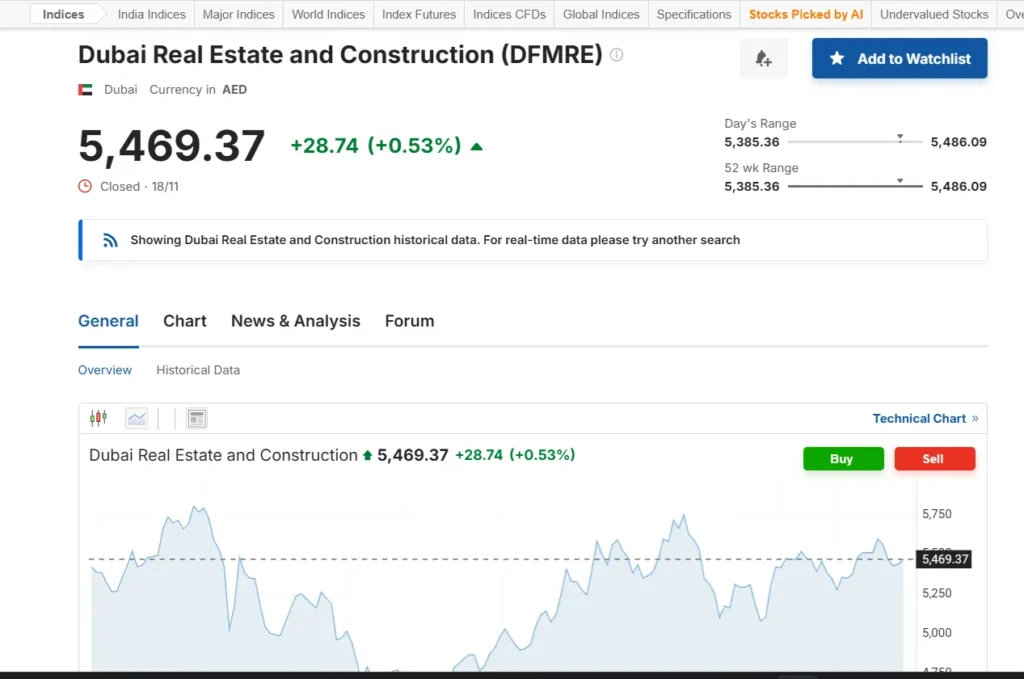
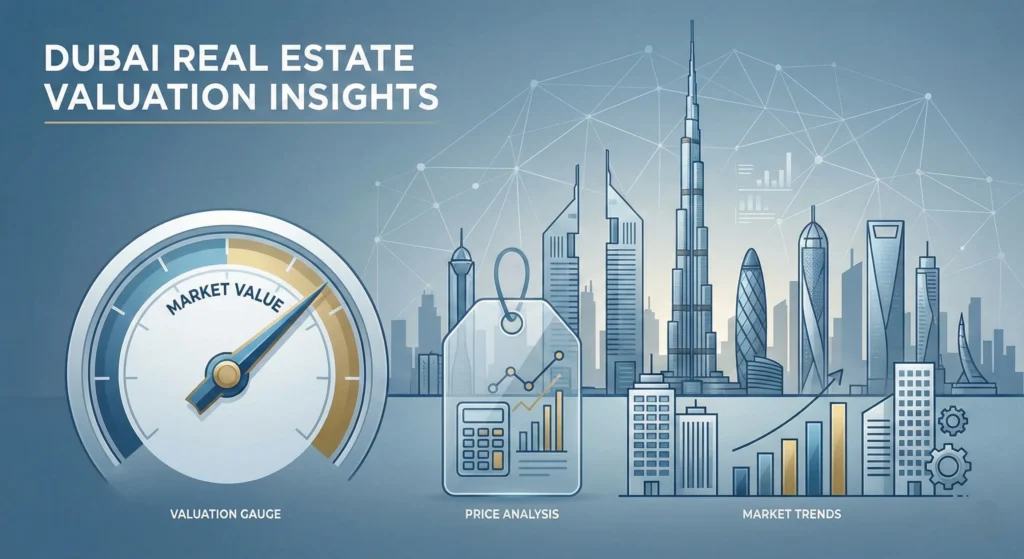
Think of a real estate market index like a scoreboard. It tracks how the property market is performing over time. Instead of looking at individual buildings or streets, it gives you the big picture.
The Dubai Real Estate Market Index measures changes in property prices across the city. It compares current prices to past benchmarks. This helps you see if the market is going up, down, or staying flat.
Here’s what the index typically measures:
Average property prices across different areas
Price movement month-to-month and year-to-year
Transaction volumes to show how active the market is
Property types like villas, apartments, and commercial spaces
Investors rely on this index because it removes guesswork. If you’re trying to decide whether now is a good time to buy, the index shows you the trend. If prices have been climbing steadily for six months, that’s a different signal than if they’ve been dropping for three quarters straight.
Analysts also use the index to forecast future trends. They look at historical data and current patterns to predict what might happen next. It’s not a crystal ball, but it’s far better than speculation.
Government bodies like the Dubai Land Department (DLD) publish official market data regularly. Private firms and real estate platforms build their own indexes using transaction records, listing data, and sales reports. These sources give you a reliable foundation for understanding market behavior.
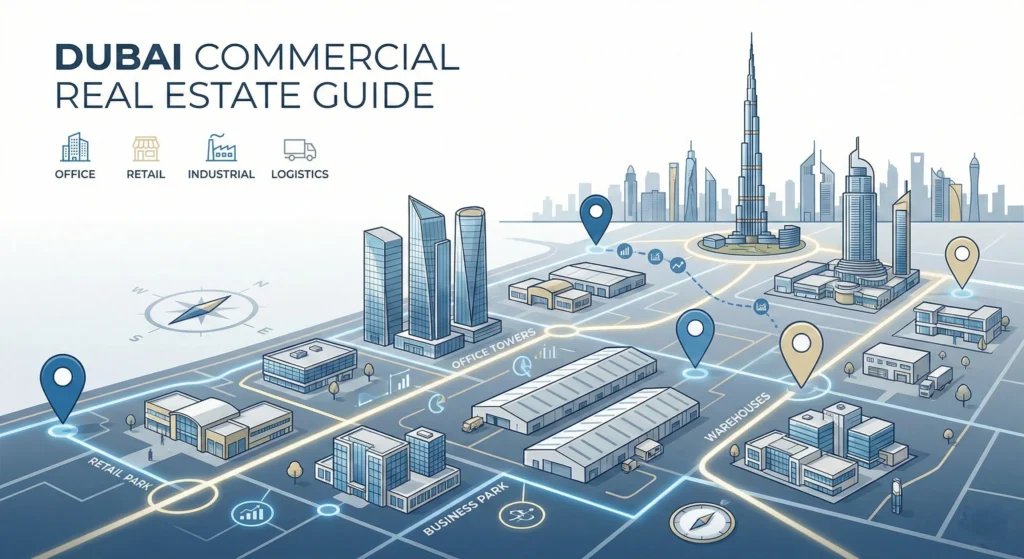
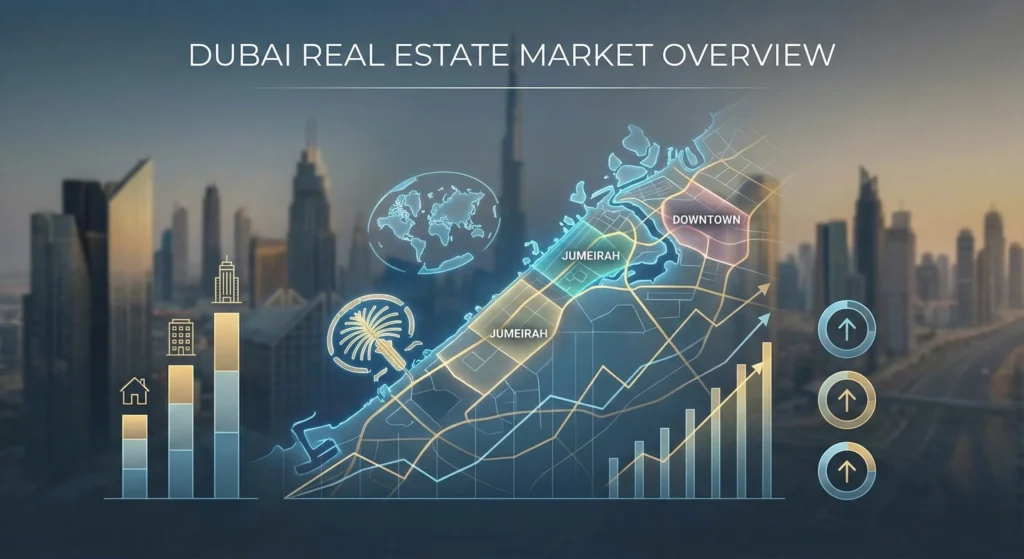
Dubai Real Estate Map Explained
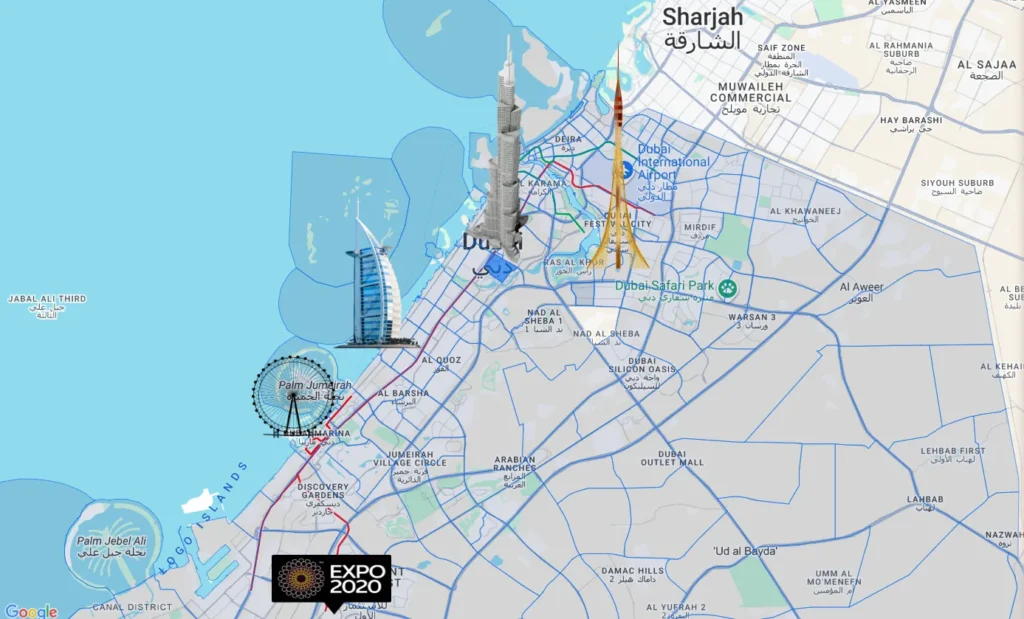
A real estate map does something simple but powerful. It shows you where properties are located and what they cost. But it goes deeper than that.
Location-based property insights are the backbone of these maps. You can see which neighbourhoods have high-value properties and which ones are more affordable. You can spot clusters of new developments or areas with older buildings.
Area-wise pricing visualisation turns raw numbers into colour-coded zones. Expensive areas might show up in dark red. Mid-range neighbourhoods could be orange or yellow. Budget-friendly zones appear in lighter shades. This makes it easy to compare prices across Dubai at a glance.
Demand hotspots vs stable zones become obvious when you study these maps. Some areas see constant activity. Listings sell fast, and prices inch up regularly. Other areas stay quiet, with slower sales and steadier prices. Knowing the difference helps you decide where to focus your search or investment.
For example, Downtown Dubai and Dubai Marina often show up as high-demand zones with premium pricing. Areas like International City or Discovery Gardens tend to be more affordable with stable but slower appreciation. A good map highlights these differences clearly.
Real estate maps also show infrastructure. You can see proximity to metro stations, schools, shopping centres, and hospitals. These details matter because they affect property value and rental demand. An apartment near a metro stop is often more attractive than one that requires a long commute.
Interactive maps let you filter by property type, price range, and size. You can zoom into specific streets or view the entire city. This flexibility makes it easier to narrow down your options without scrolling through endless listings.
Key Dubai Real Estate Market Data
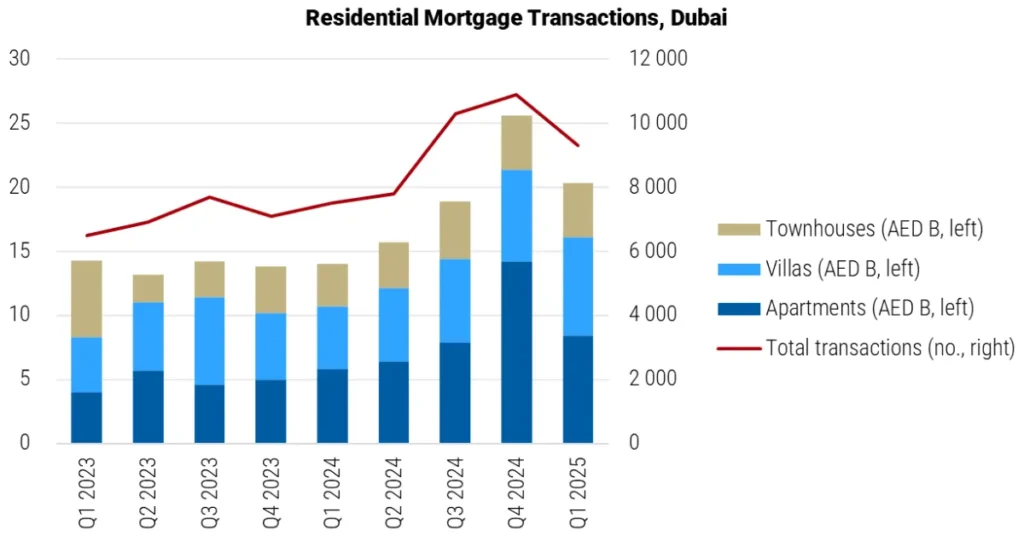
Numbers tell the real story. Here’s what you should be looking at when you study Dubai’s property market.
Average property prices vary widely depending on location and property type. As of late 2024 and early 2025, luxury villas in areas like Palm Jumeirah or Emirates Hills can run into the tens of millions of dirhams. Mid-range apartments in places like Jumeirah Village Circle or Dubai Sports City typically range from AED 800,000 to AED 1.5 million. Budget-friendly studios in older developments might start around AED 400,000.
Rental yields measure how much income a property generates compared to its purchase price. Dubai’s rental yields typically range from 5% to 8%, depending on the area. Higher yields often come from affordable neighbourhoods with strong rental demand. Luxury properties in prime locations may have lower yields but offer better capital appreciation potential.
Transaction volumes show how many properties are being bought and sold. High transaction volumes usually indicate a healthy, active market. Low volumes can suggest uncertainty or a cooling phase. The Dubai Land Department releases monthly and quarterly reports with this data.
Residential vs commercial split matters if you’re comparing investment options. Residential properties make up the majority of transactions in Dubai, but commercial spaces like offices and retail units can offer different risk-reward profiles.
Here’s a simplified breakdown of market data categories:
| Data Point | What It Shows | Why It Matters |
|---|---|---|
| Average Price per Sq Ft | Cost trends across areas | Helps compare value between neighborhoods |
| Rental Yield % | Annual rental income vs property price | Indicates investment return potential |
| Transaction Volume | Number of sales per period | Shows market activity and confidence |
| Price Index Movement | % change over time | Tracks market direction (growth or decline) |
| Supply vs Demand | New units vs buyer interest | Helps compare the value between neighbourhoods |
Tracking these numbers over time gives you context. A single month’s data doesn’t tell the full story. But six months or a year of consistent trends? That’s meaningful.
How to Read Dubai Real Estate Price Trends
Price trends aren’t random. They follow patterns shaped by supply, demand, and external factors.
Year-on-year movement is the most common method for measuring trends. If property prices are 4% higher than they were 12 months ago, that’s positive growth. If they’re 2% lower, the market is in a correction phase.
Growth vs correction phases happen naturally in any real estate market. Growth phases are when prices rise steadily, often driven by strong demand, economic confidence, or new infrastructure projects. Correction phases occur when prices drop or flatten, usually due to oversupply, economic uncertainty, or policy changes.
Dubai has experienced both. Between 2013 and 2014, the market saw rapid growth fueled by investor optimism and Expo 2020 announcements. From 2015 to 2018, the market cooled as supply caught up with demand. Post-pandemic, Dubai saw a strong rebound starting in 2021, driven by remote work trends, visa reforms, and foreign investment.
The impact of global and local factors shapes these cycles. Global events like oil price fluctuations, geopolitical tensions, or economic slowdowns affect Dubai because it’s an international hub. Local factors include government policies, new visa programs, interest rates, and mega-projects like Expo 2020 or the upcoming Expo 2040.
For instance, the UAE’s introduction of long-term visas and the Golden Visa program attracted more foreign buyers. Lower mortgage rates in certain periods made financing more accessible. These factors pushed demand up and lifted prices.
On the flip side, oversupply in certain segments, like off-plan properties, can suppress prices even when demand is strong. If developers launch too many projects at once, buyers have more options and less urgency.
Reading trends means looking at multiple indicators together. Don’t just watch prices. Watch transaction volumes, new project launches, mortgage approval rates, and rental market performance. All these pieces fit together.
Area-Wise Market Performance in Dubai
Not all neighborhoods move at the same speed. Some areas outperform the market. Others lag behind.
Prime locations like Downtown Dubai, Dubai Marina, and Palm Jumeirah typically see strong demand year-round. These areas attract high-net-worth buyers and tenants who prioritize luxury, views, and lifestyle amenities. Prices in these zones tend to be higher, but so is the potential for capital appreciation. Rental demand stays consistent because of their appeal to expats and business professionals.
Emerging areas include neighborhoods like Dubai South, Arabian Ranches III, and parts of Dubai Hills Estate. These areas are newer or still under development. Prices start lower, which attracts first-time buyers and investors looking for growth potential. As infrastructure improves and more residents move in, property values often rise. But the risk is higher. If the area doesn’t develop as planned, appreciation can stall.
Affordable housing zones like International City, Discovery Gardens, and Deira offer budget-friendly options. These areas appeal to middle-income families and renters. Prices stay relatively stable, with slower appreciation compared to prime or emerging zones. But they offer better rental yields because of strong tenant demand and lower entry costs.
Here’s how different areas compare:
| Zone Type | Examples | Price Range | Rental Yield | Risk Level |
|---|---|---|---|---|
| Prime | Downtown, Marina, Palm | High | 4-6% | Low |
| Emerging | Dubai South, Arabian Ranches III | Medium | 6-8% | Medium |
| Affordable | International City, Discovery Gardens | Low | 7-9% | Medium-Low |
Understanding these differences helps you match your budget and goals with the right area. If you want stability and prestige, go prime. If you’re chasing growth, consider emerging neighbourhoods. If you need cash flow from rentals, affordable zones might be your best bet.
Why Real Estate Data Matters for Buyers & Investors
Data removes emotion from decision-making. It replaces hunches with evidence.
Smarter investment decisions come from knowing what’s actually happening in the market. If you’re choosing between two apartments, data shows you which area has better appreciation history, higher rental demand, or stronger infrastructure plans. You’re not guessing. You’re comparing facts.
Risk reduction is another major benefit. Real estate is a big financial commitment. Data helps you avoid overpaying for a property in a declining area or buying into a neighbourhood with weak rental demand. It flags warning signs like oversupply, falling transaction volumes, or negative price trends.
Better timing of entry and exit can make or break your returns. Buying during a correction phase when prices are lower gives you more upside potential. Selling during a growth phase when demand is high maximises your profit. Data helps you identify where the market stands in its cycle.
For example, if transaction volumes are climbing and prices have been rising for six consecutive months, the market is likely in a growth phase. That might be a good time to sell if you’ve held a property for a while. On the other hand, if prices have been flat or declining for a year and transaction volumes are low, it could be a good time to buy at a discount.
Data also helps you set realistic expectations. If you’re planning to rent out a property, knowing the average rental yield in that area tells you what income to expect. If you’re buying for capital appreciation, historical price trends show you whether that area has a track record of growth.
Tools & Sources Used for Dubai Real Estate Data
Reliable data comes from credible sources. Here’s where to find it.
Market reports are published by real estate consultancies like CBRE, Knight Frank, and Savills. These firms analyze transaction data, conduct surveys, and track market trends. Their reports often include price indexes, supply-demand analysis, and forecasts. They’re detailed and research-backed.
Government data from the Dubai Land Department (DLD) is the gold standard. The DLD tracks every property transaction in Dubai. They release regular reports on sales volumes, average prices, and market activity by area. This data is official and transparent. You can access it through the DLD website or platforms like the Dubai REST app, which provides real-time market insights.
Real estate analytics platforms like Property Finder, Bayut, and Zoopla offer interactive tools for tracking prices, comparing neighbourhoods, and exploring listings. These platforms aggregate data from multiple sources and present it in user-friendly formats. Many include map-based search features, price trend graphs, and market analysis articles.
International databases like Numbeo and the Global Property Guide also track Dubai real estate data, though they’re less detailed than local sources. They’re useful for comparing Dubai’s market to other global cities.
Credibility and data reliability depend on the source’s methodology. Official government data is the most trustworthy. Reports from established consultancies are also reliable because they use verified transaction records. User-generated data on some platforms can be less accurate, so cross-check numbers when possible.
If you’re serious about analysing the market, use multiple sources. Compare DLD data with consultancy reports and platform insights. Look for consistency across sources. If all three point to the same trend, it’s likely accurate.
For more on navigating Dubai’s property market, check out resources on mostlyproperty.com for in-depth guides and neighbourhood comparisons.
FAQs – People Also Ask

Q1. What does the Dubai real estate market index show?
The Dubai real estate market index tracks property price changes over time. It compares current prices to past benchmarks to show whether the market is rising, falling, or staying stable. The index covers different property types and areas across Dubai, giving you a clear view of overall market performance.
Q2. Are Dubai real estate maps updated regularly?
Yes, most real estate maps and platforms update their data regularly. Government sources like the Dubai Land Department release monthly and quarterly reports. Private platforms like Property Finder and Bayut update listings and price data daily. For the most current information, check official sources or reputable real estate analytics platforms.
Q3. Can market data predict property price growth in Dubai?
Market data helps identify trends and patterns, but it doesn’t guarantee future outcomes. Historical data, transaction volumes, and supply-demand indicators give you clues about where the market might be heading. However, external factors like economic shifts, policy changes, or global events can change the trajectory. Data is a guide, not a crystal ball.
Conclusion
Understanding Dubai’s real estate market doesn’t require a finance degree. It requires the right tools and a willingness to look at the numbers.
The Dubai Real Estate Map, Data, & Market Index gives you exactly that. It turns complex market movements into clear insights. It shows you where prices are moving, which areas are performing well, and how the overall market is trending.
Data-backed decisions reduce risk and improve outcomes. Whether you’re buying a home, investing in rental property, or simply trying to understand the market, these tools give you the clarity you need.
Don’t rely on rumours or outdated advice. Use maps, track the index, and study the data. That’s how you make confident, informed property decisions in Dubai.
For more detailed guides on Dubai property investments and neighbourhood insights, explore mostlyproperty.com to stay ahead of market trends and opportunities.
For official Dubai real estate transaction data and market reports, visit the Dubai Land Department to access the most reliable and up-to-date information.