
Dubai has become one of the world’s most attractive markets for property investment. The city offers strong rental yields, tax-free income, and consistent property value growth. Investors from over 200 countries have put their money into Dubai’s real estate market, and the numbers keep growing.
Dubai real estate investment opportunities continue to expand across residential, commercial, and mixed-use developments. The government has introduced policies that protect investor rights and make property ownership straightforward for foreigners. Whether you’re looking for long-term capital appreciation or steady rental income, Dubai’s property market delivers options for different budgets and investment goals.
The city’s strategic location between East and West makes it a global business hub. This geographical advantage, combined with world-class infrastructure and a growing population, creates sustained demand for housing and commercial space.
Why Dubai Real Estate Is a Top Investment Choice
Dubai’s property market stands out for several concrete reasons that matter to serious investors.
Strong Property Demand
The property demand remains consistently high because Dubai attracts over 17 million tourists annually and hosts hundreds of multinational corporations. Expatriates make up about 90% of the population, and most of them rent their homes. This creates a built-in tenant base that keeps vacancy rates low in well-located properties.
Key demand drivers include:
- Population growth: Dubai’s population continues expanding, reaching over 3.6 million residents
- Employment opportunities: Free zones and business-friendly policies attract companies and talent
- Tourism infrastructure: World-class attractions, hotels, and entertainment venues
- Quality of life: Modern amenities, safety, and connectivity appeal to international residents
Investor-Friendly Policies
Dubai has investor-friendly policies that you won’t find in many other markets. Foreign investors can own properties outright in designated freehold areas. There are no property taxes, no capital gains taxes, and no income taxes on rental earnings. These benefits significantly improve your net returns compared to markets where taxes eat into profits.
The Dubai Land Department maintains transparent records and has implemented regulations that protect buyer interests through escrow accounts and developer licensing requirements. Understanding the Dubai property buying process is essential for navigating these regulations successfully.
Global Business Hub Status
The city functions as a global business hub with free zones that attract companies from technology, finance, healthcare, and logistics sectors. When businesses set up operations, they bring employees who need places to live. Major companies like Microsoft, Oracle, and numerous financial institutions have regional headquarters here, creating stable demand for both residential and commercial properties.
Long-Term Market Growth
Long-term market growth has been documented over the past two decades, despite occasional corrections. The government actively manages supply through development regulations and infrastructure investments. Projects like the Dubai Metro expansion, new airports, and Expo 2020 legacy developments continue to enhance property values in connected areas.
Think of why Dubai real estate attracts global capital this way: it’s like owning a rental property in a city that never stops growing, where your income isn’t taxed, and where you can sell to buyers from anywhere in the world.
Best Real Estate Investment Opportunities in Dubai
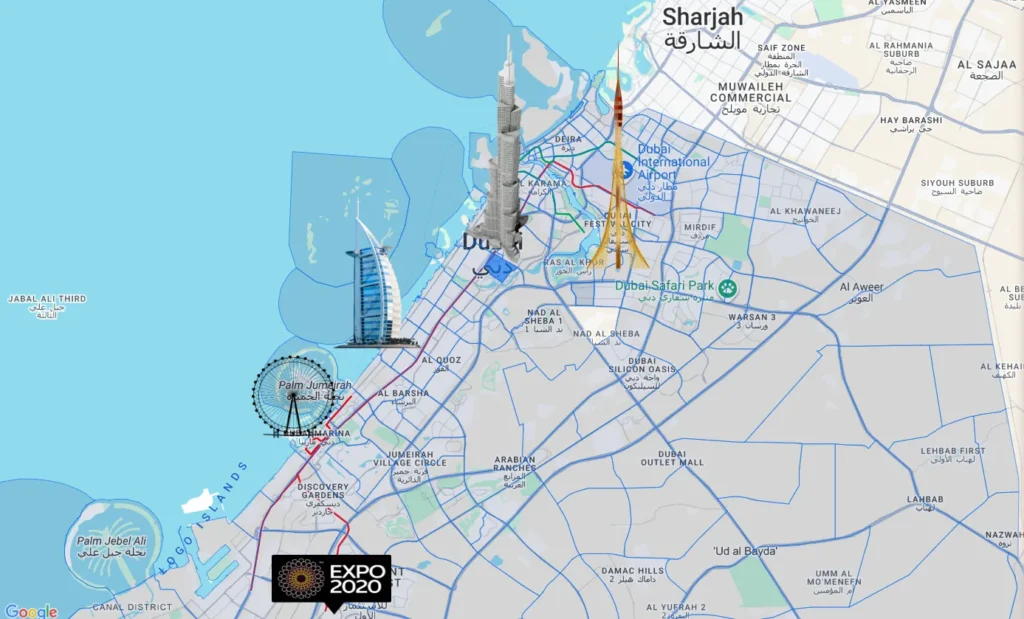
Different property types serve different investment strategies. Understanding each category helps you match opportunities with your financial goals.
Residential Properties
Residential properties include apartments, villas, and townhouses. Apartments in well-connected areas typically offer rental yields between 5% and 8% annually.
| Property Type | Typical Yield | Best For | Entry Price Range |
|---|---|---|---|
| Studio Apartments | 7-9% | First-time investors, high turnover | 400,000 – 700,000 AED |
| 1-Bedroom Units | 6-8% | Young professionals, couples | 600,000 – 1,200,000 AED |
| 2-Bedroom Units | 5-7% | Small families, longer-term tenants | 1,000,000 – 2,000,000 AED |
| Villas | 4-6% | Families, stable long-term income | 2,500,000+ AED |
Residential investments work well when you focus on locations with proven tenant demand. Areas near business hubs, universities, and entertainment districts maintain high occupancy rates. Properties with amenities like pools, gyms, and parking spaces command premium rents.
Commercial Real Estate
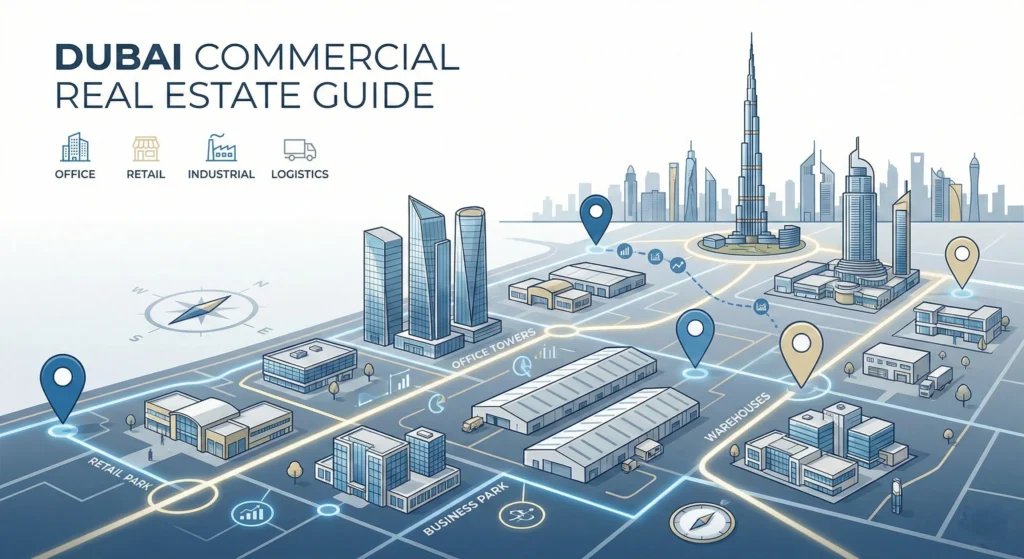
Commercial real estate includes office spaces, retail shops, and warehouses. Office spaces in prime business districts can generate yields of 7% to 10%, though they require larger capital investments.
Key considerations for commercial properties:
- Lease terms: Typically 3-5 years, providing income stability
- Tenant type: Corporate tenants generally more reliable than small businesses
- Location sensitivity: Prime business districts command premium rents
- Market cycles: More vulnerable to economic downturns than residential
- Management complexity: Requires understanding of business trends and tenant needs
Retail spaces in high-traffic areas provide good returns but depend heavily on foot traffic and surrounding business activity. Commercial properties typically involve longer lease terms, which provides income stability. However, vacancy periods can be longer when tenants leave.
Off-Plan Projects
Off-plan projects mean buying properties before construction completes. Developers offer payment plans that let you pay in installments during construction, which reduces upfront capital requirements.
Advantages of off-plan investments:
- Lower entry prices: Typically 10-20% below completed property values
- Flexible payment plans: Pay in installments during construction
- Capital appreciation potential: Property may increase in value during construction
- New units: Modern specifications and no immediate maintenance needs
- Choice of units: Early buyers get best location and view options
The risk with off-plan investments centers on developer reliability and market conditions at completion. Choose developers with proven track records and completed projects. The Dubai Land Department maintains a list of approved developers, which helps you verify credentials.
Rental Income Properties
Rental income properties focus purely on generating steady monthly cash flow. These are typically ready properties in established communities with existing tenant demand.
You can start earning rental income immediately after purchase and tenant placement. The two main rental strategies are:
Annual Leases:
- Stable, predictable income
- Minimal management requirements
- Lower tenant turnover
- Rent paid in 1-4 checks annually
- Suitable for hands-off investors
Short-Term Rentals:
- Potentially 20-40% higher income
- Requires active management
- Subject to community regulations
- Platform fees of 15-20%
- More suitable for investors who can manage actively
When evaluating any investment opportunity, calculate the total costs including purchase price, registration fees (about 4% of property value), maintenance fees, and potential renovation costs.
Best Areas to Buy Real Estate in Dubai
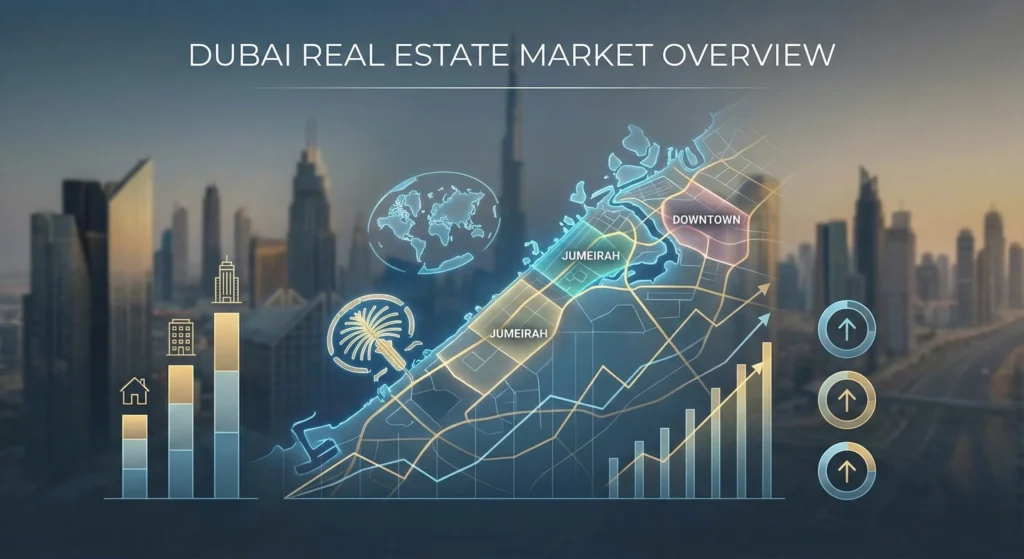
Location determines both your rental income and long-term appreciation potential. Different areas serve different investment strategies.
High-Return Locations
High-return locations include Dubai Marina, Downtown Dubai, and Business Bay. These areas command premium rents because they offer walkable access to offices, restaurants, entertainment, and metro stations.
Dubai Marina:
- Studio yields: 7-8% annually
- Close to beaches and marina walk
- Metro connectivity
- High tourist and expat demand
- Price range: 700,000 – 3,000,000 AED
Downtown Dubai:
- Home to Burj Khalifa and Dubai Mall
- Attracts both long-term and short-term renters
- Premium location commands higher rents
- Strong appreciation during market upswings
- Price range: 1,000,000 – 5,000,000+ AED
Business Bay:
- Mixed-use district with offices and residential
- Central location with canal views
- Popular with young professionals
- Better value than Downtown
- Price range: 800,000 – 2,500,000 AED
Emerging Neighborhoods
Emerging neighborhoods represent areas where infrastructure improvements and new developments are driving growth.
| Area | Key Features | Investment Appeal | Typical Prices |
|---|---|---|---|
| Dubai South | Near Al Maktoum Airport | Long-term appreciation potential | 400,000 – 900,000 AED |
| Jumeirah Village Circle | Family-friendly, community amenities | Steady demand growth | 500,000 – 1,200,000 AED |
| Dubai Sports City | Sports facilities, family-oriented | Growing rental demand | 450,000 – 1,100,000 AED |
| Arabian Ranches | Villa communities, golf courses | Stable long-term tenants | 2,000,000 – 5,000,000 AED |
| Dubai Hills Estate | Premium location, golf course | Strong appreciation potential | 1,500,000 – 4,000,000+ AED |
Dubai South, near Al Maktoum International Airport, is positioned for long-term appreciation as the airport expands. Property prices remain comparatively low, making entry easier for smaller investors.
Budget-Friendly Zones
Budget-friendly zones make it possible to buy real estate in Dubai with smaller capital.
International City:
- Most affordable apartments in Dubai
- Lower rental yields due to location
- Distance from major business districts
- Price range: 250,000 – 500,000 AED
Discovery Gardens:
- Mid-range pricing
- Decent metro connectivity
- Family-friendly environment
- Price range: 400,000 – 800,000 AED
Dubai Production City:
- Affordable villas and apartments
- Growing infrastructure
- Suitable for media professionals
- Price range: 350,000 – 900,000 AED
When you want to real estate Dubai buy, matching the area to your target tenant is crucial. Young professionals prefer locations near metro stations and business districts. Families prioritize schools, parks, and community facilities. Tourists want proximity to attractions and beaches.
Transportation access significantly impacts rental demand. Properties within walking distance of metro stations typically rent faster and command slightly higher rates. For comprehensive insights on Dubai real estate market trends, understanding these location dynamics is essential.
Cheap Real Estate in Dubai: Is It Worth It?
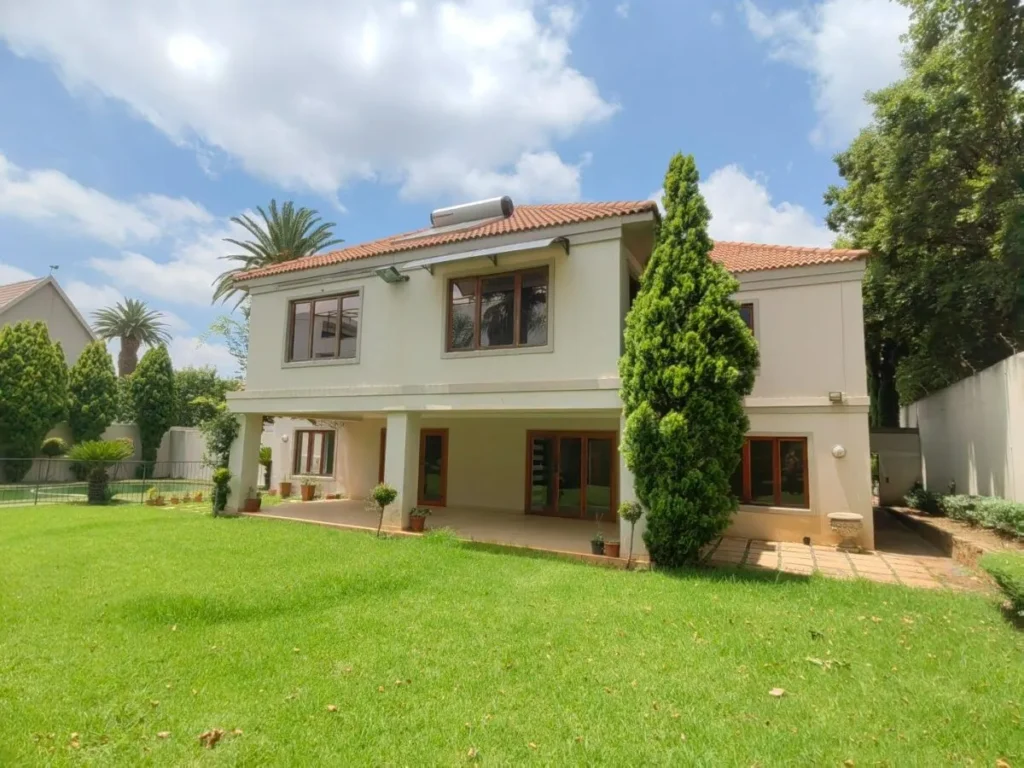
The term “cheap” is relative in Dubai’s property market, and understanding what it really means matters for investment success.
What “Cheap” Means in Dubai Context
Cheap real estate in Dubai typically refers to properties priced below the market average for similar units. This might mean:
- Older buildings with dated specifications
- Areas farther from business districts
- Communities with fewer amenities
- Smaller units in less prestigious developments
- Properties requiring renovation or updates
Studio apartments in International City might cost 300,000 AED to 400,000 AED, while similar-sized units in Dubai Marina could run 700,000 AED to 1,000,000 AED.
Risk vs Reward
Lower-priced properties aren’t automatically bad investments. They serve different tenant segments and can deliver decent returns if you buy strategically.
Potential Rewards:
- Lower capital requirements
- Easier market entry for new investors
- Similar or higher percentage yields
- Opportunity to buy multiple units
- Reduced financial stress
Potential Risks:
- Slower appreciation rates
- Higher tenant turnover
- Potentially higher maintenance costs
- Lower quality tenant pool
- Limited resale liquidity
A 400,000 AED studio that rents for 28,000 AED annually generates a 7% gross yield, which matches or exceeds yields from some premium locations.
Long-Term Appreciation Potential
Long-term appreciation potential in cheaper areas depends on development plans and infrastructure improvements. Areas that seem remote today might become well-connected tomorrow if metro extensions or new highways reach them.
Consider this analogy: buying cheap property in a developing area is like planting a tree in good soil far from your house. It takes longer to grow and provide benefits, but when it does, you got it at a fraction of the cost of a mature tree closer to home.
Factors that drive appreciation in budget areas:
- Infrastructure development: Metro extensions, new roads
- Community improvements: Schools, hospitals, shopping centers
- Government initiatives: Master-planned community developments
- Population density: Increasing residents in the area
- Business activity: New companies and employment centers
Building age and condition significantly affect cheap properties. Newer buildings in emerging areas offer better value than old buildings in established areas at similar prices.
Rental Yield and ROI in Dubai Real Estate

Understanding returns helps you compare Dubai investments with other markets and asset classes.
Average Rental Returns
Average rental returns in Dubai generally range from 5% to 9% gross annual yield, depending on property type and location.
| Property Type | Gross Yield Range | Net Yield Range* | Example |
|---|---|---|---|
| Studios | 7-9% | 5-7% | 500K AED property, 40K annual rent |
| 1-Bedroom | 6-8% | 4-6% | 800K AED property, 55K annual rent |
| 2-Bedroom | 5-7% | 3-5% | 1.2M AED property, 75K annual rent |
| Villas | 4-6% | 2-4% | 3M AED property, 150K annual rent |
*Net yields calculated after service charges, maintenance, and management fees
Studio apartments typically deliver higher percentage yields than larger units because rents don’t decrease proportionally with size. Dubai’s yields compare favorably with many global cities. London typically offers 3% to 4% yields, New York around 3% to 5%, and Singapore 2% to 4%. Dubai’s tax-free environment means you keep more of your gross yield compared to markets where property income faces taxation.
Short-Term vs Long-Term Rentals
Short-term versus long-term rentals create different return profiles.
Annual Leases:
- Stable, predictable income
- Minimal management effort
- Lower vacancy risk
- Tenant signs one-year contracts
- Rent received in 1-4 checks
- Lower gross returns but easier management
Short-Term Vacation Rentals:
- Can generate 20-40% higher gross income
- Requires significantly more work
- Frequent turnovers and cleaning
- Platform commission fees: 15-20%
- Subject to community regulations
- Higher operating expenses
Think of long-term rentals like bonds with steady coupon payments. Short-term rentals resemble operating a small business with higher potential returns but also higher effort and risk.
Impact of Location and Property Type
Impact of location and property type on returns is substantial.
Properties near business districts and metro stations command higher rents and maintain better occupancy. A well-located one-bedroom apartment might stay rented year-round, while a poorly located unit faces two to three months of vacancy annually.
Factors affecting rental returns:
- Proximity to metro: Properties within 500m of stations rent 10-15% higher
- Property condition: Modern finishes command market-top rents
- Building amenities: Pools, gyms, parking increase rental value
- Community reputation: Established communities attract better tenants
- Furnishing: Furnished units command 10-20% premium but need furniture investment
Calculate your total return including both rental income and potential appreciation. A property generating 6% annual rental yield plus 4% annual appreciation delivers a 10% total return.
Vacancy rates directly impact real yields. A property theoretically yielding 8% annually only delivers 7.3% if it sits empty for one month per year. Budget for realistic vacancy when projecting returns, especially in areas with high tenant turnover.
Things to Consider Before Investing in Dubai Real Estate

Successful property investment requires planning beyond just choosing a location and property type.
Legal Requirements
Legal requirements start with understanding ownership rights. Foreign investors can own freehold properties in designated areas across Dubai.
Key legal considerations:
- Freehold zones: Foreign ownership allowed in most popular areas
- Leasehold properties: 99-year leases in some areas
- Banking requirements: UAE bank account needed for transactions
- Registration fees: 4% transfer fee plus administrative charges
- Documentation: Valid passport, visa copy, Emirates ID (if resident)
The Dubai Land Department oversees all property transactions and maintains transparent ownership records. You’ll need to open a UAE bank account to complete property purchases and receive rental income. Most banks require a minimum deposit and may need proof of employment or business ownership.
Property registration incurs a 4% transfer fee plus small administrative charges. Budget for these costs when calculating your total investment. Some developers cover certain fees for off-plan purchases, so verify what’s included.
Budget Planning
Budget planning extends beyond the purchase price.
Initial Investment Costs:
| Cost Item | Percentage/Amount | Notes |
|---|---|---|
| Property Price | Varies | Main investment amount |
| Registration Fee | 4% of property value | Paid to Dubai Land Department |
| Real Estate Agent | 2% of property value | Typically paid by buyer |
| Mortgage Arrangement | 1-2% of loan amount | If financing |
| Valuation Fee | 2,500 – 3,500 AED | Required for mortgages |
| Property Inspection | 500 – 1,500 AED | Recommended for resale units |
Ongoing Annual Costs:
- Service charges: 5-25 AED per square foot (varies by building)
- Property management: 5-8% of annual rent (if hiring a company)
- Maintenance reserve: 10-15% of rental income
- Insurance: 0.2-0.5% of property value annually
- Chiller fees: 500-2,000 AED monthly (if not included in service charges)
Keep 10% to 15% of annual rental income as a reserve for unexpected repairs, vacancy periods, and tenant-related costs. This buffer prevents cash flow problems when air conditioning units fail or tenants break leases early.
Market Timing
Market timing matters, though timing the absolute bottom or top of any market is nearly impossible.
Indicators to watch:
- Construction completion rates: High completions often soften prices
- Population growth: Higher growth increases demand
- Job market strength: Employment growth drives housing demand
- Government infrastructure investment: Improves long-term values
- Mortgage rates: Lower rates increase buyer demand
- Rental trends: Rising rents indicate strong market
Generally, buying during periods of oversupply or market corrections offers better value than buying during peak demand when prices have already risen sharply.
Avoid rushing into purchases based on fear of missing out. Good investment opportunities appear regularly in Dubai’s active market. Taking time to research, compare options, and negotiate terms serves you better than hasty decisions.
Developer Credibility
Developer credibility is crucial for off-plan investments.
How to verify developer reputation:
- Check completion history through Dubai Land Department
- Visit previous projects and talk to owners
- Verify developer licensing and registration
- Review online ratings and investor forums
- Assess financial stability and backing
- Examine construction quality in completed projects
Warning Signs:
- Few or no completed projects
- Payment terms that seem too good to be true
- Unclear ownership structures
- Negative reviews from previous buyers
- Delays in past project deliveries
- Limited financial transparency
Stick with developers who have completed multiple projects on time. The most reputable developers have been operating for decades and stake their reputation on every project.
For resale properties, verify ownership clearly through Dubai Land Department records. Ensure no outstanding service charges or disputes exist on the property.
Additional Considerations
Property Management: If you live far from Dubai or lack time for tenant management, hire a reputable property management company. Their fees reduce your net yield but free you from dealing with tenant issues, maintenance coordination, and rent collection.
Insurance: Building insurance typically comes through service charges, but contents insurance for furnished units and landlord liability insurance cost little relative to potential claims.
Tax Planning: While Dubai doesn’t tax rental income, your home country might. Consult tax advisors familiar with international property ownership to understand reporting requirements and potential tax obligations in your country of residence.
FAQs: People Also Ask

Is Dubai real estate a good investment in 2026?
Dubai real estate remains attractive in 2026 due to steady population growth, strong rental demand, and tax-free income benefits. The market has matured with better regulations protecting investors. Rental yields of 5% to 9% exceed most global cities, and property values have shown long-term appreciation despite short-term cycles. Success depends on choosing the right location, property type, and buying at reasonable valuations rather than peak prices.
Can foreigners buy real estate in Dubai?
Yes, foreigners can buy and fully own real estate in designated freehold areas throughout Dubai. These areas include most popular investment locations and residential communities. Foreign buyers have the same ownership rights as UAE nationals in freehold zones. The purchase process is straightforward, requiring valid identification, a UAE bank account, and payment of standard registration fees. No residency is required to buy property.
What is the minimum investment to buy property in Dubai?
Property prices start around 300,000 AED to 400,000 AED for studio apartments in budget-friendly areas, though most investors find better opportunities in the 500,000 AED to 800,000 AED range. These amounts cover the property price, but you should budget an additional 6% to 10% for registration fees, agent commissions, and initial costs. Some developers offer payment plans for off-plan properties, requiring only 10% to 20% down payment with remaining amounts spread over construction periods.
Which areas in Dubai offer the best rental yields?
Dubai Marina, International City, and Discovery Gardens typically offer the highest rental yields, ranging from 7% to 9% for studios and one-bedroom apartments. Business Bay and JVC also provide strong yields of 6% to 8%. Premium areas like Downtown Dubai offer lower percentage yields (4% to 6%) but attract higher-quality tenants and provide better appreciation potential. The best choice depends on your investment goals and risk tolerance.
How much rental income can I expect from Dubai property?
Rental income varies by location and property type. A studio in Dubai Marina (700,000 AED) might generate 50,000 – 60,000 AED annually. A one-bedroom in Business Bay (1,000,000 AED) could yield 65,000 – 75,000 AED. A two-bedroom villa in Arabian Ranches (3,000,000 AED) might rent for 150,000 – 180,000 AED annually. Always calculate net income after service charges, management fees, and maintenance costs.
Do I need to live in Dubai to invest in real estate?
No, you don’t need to live in Dubai or be a resident to invest in real estate. Foreign investors can purchase properties remotely, though visiting to view properties is recommended. You’ll need to visit Dubai at least once to complete the final transaction and sign documents at the Dubai Land Department. Many investors hire property management companies to handle tenant relations and maintenance while living abroad.
Conclusion
Dubai real estate investment opportunities continue attracting global capital for solid reasons. The combination of tax-free income, strong rental yields, and long-term growth potential creates compelling value for patient investors.
The market offers options across different price points and investment strategies. Whether you focus on steady rental income from established areas or position for appreciation in emerging neighborhoods, opportunities exist for various budgets and goals.
Success comes from thorough research, realistic financial planning, and choosing locations with fundamental demand drivers. Key factors include:
- Understanding the true costs beyond purchase price
- Selecting properties that match your target tenant profile
- Verifying developer credentials for off-plan purchases
- Calculating net yields after all expenses
- Planning for vacancy periods and maintenance reserves
- Choosing locations with strong infrastructure and connectivity
Diversification across property types or areas can reduce risk while capturing returns from different market segments. The investors who benefit most are those who view Dubai property as a long-term wealth-building tool rather than a quick profit scheme. With proper due diligence and professional guidance, the best real estate investment opportunities in Dubai can deliver stable returns and capital preservation in a globally connected market.
For more comprehensive guides and expert insights on navigating Dubai’s property market, visit Mostly Property where you’ll find detailed resources to support your investment journey.
My Experience
Having navigated Dubai’s real estate market for several years, I’ve learned that success comes down to three fundamental principles: patience, research, and realistic expectations.
My first investment was a studio apartment in Jumeirah Village Circle back when the area was still developing. I paid around 480,000 AED, and many people questioned why I chose an emerging neighbourhood over established areas. The decision came from careful analysis of infrastructure plans, proximity to upcoming metro stations, and the price-to-rent ratio that made sense on paper.
That studio now generates 38,000 AED annually in rent, delivering a solid 7.9% gross yield. More importantly, the property’s value has appreciated to approximately 650,000 AED over the years. This experience taught me that buying in the right emerging area beats overpaying in a premium location every single time.
What I got right: I focused on fundamentals rather than glamour. JVC had schools being built, supermarkets opening, and community facilities under active development. The Dubai Metro extension plans included nearby stations in the next phase. These infrastructure factors mattered infinitely more than having a fancy Burj Khalifa view from my window.
What I learned the hard way: Underestimating service charges was my biggest and most expensive mistake. The building’s service charges increased from 12 AED per square foot to 18 AED per square foot within just three years. The reason? Unexpected maintenance issues with the building’s cooling system and two management company changes that brought inefficiency and higher costs.
This service charge increase reduced my net yield far more than I had budgeted for in my initial calculations. Now I always verify service charge history going back at least three years and investigate building management quality thoroughly before buying any property. I also talk to existing owners about their experience with management responsiveness and cost increases.
My second investment taught me entirely different lessons about the market. I bought an off-plan one-bedroom apartment in Business Bay with a reputable developer who had completed over 20 projects in Dubai. The payment plan allowed me to spread costs over two years during construction, which helped with cash flow management significantly.
The property completed exactly on time, and I secured a tenant within three weeks of handover at my asking rent. Everything seemed perfect on the surface.
The unexpected challenge: Finding quality tenants requires dramatically more effort than I had anticipated based on my research. My first tenant seemed ideal during viewings but broke the lease after just six months due to an unexpected job relocation to another country. The second tenant was consistently late with rent payments, requiring awkward follow-up calls twice during their tenancy.
I eventually hired a property management company, which cost me 6% of annual rent but eliminated virtually all the stress and time consumption entirely. Looking back, sometimes paying for professional management is worth every single dirham, especially if you value your time and mental peace.
Key insights from managing multiple properties over the years:
Location beats everything else, without exception. My Business Bay property stays rented consistently with minimal vacancy because tenants can walk to metro stations and their offices in under 10 minutes. Meanwhile, my friend’s cheaper apartment in a remote area sits empty for three to four months between tenants despite him offering below-market rents to attract anyone willing to move there.
Build genuine relationships with good agents over time. The real estate agents who helped me find my absolute best deals weren’t the ones with the fanciest glass offices in expensive towers. They were working professionals who took time to understand my specific investment criteria and called me first when suitable properties appeared on the market before listings went public.
Market timing matters, but nowhere near as much as everyone thinks. I bought my JVC property during a clear market dip when prices had dropped and sentiment was negative. I bought my Business Bay unit during a rising market when optimism was high and prices were climbing monthly. Interestingly, both properties have performed well over time because I bought in genuinely good locations at fair prices relative to rental income potential.
Waiting forever for the mythical “perfect” market timing means missing numerous good opportunities that would have delivered solid returns. Paralysis by analysis destroys more wealth than occasional imperfect timing ever will.
Service charges can absolutely destroy your returns if you’re not careful. I cannot emphasize this enough based on painful experience. Always ask for a minimum of three years of service charge history from the seller or building management. Buildings with steadily climbing service charges almost always have underlying maintenance issues or poor management that will only get worse over time.
This single factor has more impact on your actual net yield than most investors realize when they’re focused on purchase price and gross rental income. A property with 8% gross yield but rapidly increasing service charges can deliver worse net returns than a 6% gross yield property with stable, well-managed service charges.
Mistakes I’ve seen other investors make repeatedly:
A colleague bought three studio apartments in International City purely based on the low purchase prices and high gross yields shown on paper. He didn’t properly account for high tenant turnover every six to nine months, difficult tenants who damaged units and left without notice, and service charges that increased 30% over two years.
His actual net returns across all three properties are measurably lower than my single well-located property generates, and he spends dramatically more time managing constant problems, coordinating repairs, finding new tenants, and dealing with headaches. Cheap properties often prove very expensive when you calculate the full cost of ownership.
Another friend bought off-plan from a relatively unknown developer offering unbelievable payment terms that seemed too good to be true. They were. The project delayed by 18 months past the promised completion date, and the final construction quality was poor with numerous defects requiring expensive fixes. He eventually sold at a loss just to exit the situation. Developer reputation truly isn’t negotiable regardless of the attractive payment plans they offer.
What works for me now based on accumulated experience:
I focus exclusively on areas with proven rental demand and upcoming infrastructure improvements that will enhance connectivity. Dubai South and Arjan are currently on my active watchlist because of the planned developments and measurably improving infrastructure connectivity, but I’m waiting patiently for the right opportunities at the right prices rather than rushing in.
I calculate every potential investment assuming 8% annual gross yield and 5-6% net yield after all realistic expenses. If the numbers don’t work comfortably at these conservative estimates, I simply walk away without regret. Properties that promise 10-12% yields on paper usually come with hidden problems that reveal themselves after purchase.
I maintain six full months of expenses in reserve for each property I own. This cash buffer has saved me multiple times when air conditioning systems failed during peak summer, when properties sat vacant slightly longer than expected, or when tenants left units requiring more repair work than their deposits covered.
My current investment strategy going forward:
I’m deliberately building a portfolio of 4-5 well-located properties in different areas rather than buying 10-15 cheaper units scattered everywhere. Quality over quantity consistently reduces management headaches and provides superior long-term appreciation potential based on what I’ve observed in the market.
Each property I own is in a different neighborhood to spread risk across Dubai’s diverse areas. This diversification protects me if one particular area experiences temporary oversupply or declining demand while other areas continue performing well.
For anyone just starting their journey in Dubai real estate investment, my advice is straightforward: Start small, learn how the market actually works, and scale gradually based on real experience. Your first property doesn’t need to be absolutely perfect. It needs to teach you how Dubai’s property market actually operates beyond what you read in articles and promotional materials online.
The investors who genuinely succeed here long-term are those who treat real estate as a serious business requiring attention and discipline, not a passive hobby or get-rich-quick scheme. They track every expense meticulously in spreadsheets, maintain professional relationships with quality tenants, stay constantly informed about market trends and regulatory changes, and make every decision based on actual numbers rather than emotions or fear of missing out.
Dubai’s real estate market consistently rewards patience and rational analysis while punishing greed and emotional decisions. Buy only properties you can comfortably afford to hold through complete market cycles including downturns. Focus primarily on reliable rental income rather than hoping for dramatic appreciation. And always, always verify developer credentials and building management quality before signing anything or transferring money.
If you’re looking for more detailed guidance on making smart property decisions, explore the resources available at Mostly Property to enhance your understanding of Dubai’s dynamic real estate landscape.