


Dubai is not just a city of skyscrapers and luxury malls. It’s become one of the smartest places in the world to put your money into real estate. And there’s a good reason why investors from London, New York, Singapore, and everywhere in between are buying property here.
The city offers something most other places can’t. Tax-free income. Strong growth year after year. Rules that actually favor investors instead of making their lives difficult. Plus, Dubai keeps building and expanding, which means demand for homes and apartments never really stops.
If you’re thinking about where to invest your hard-earned money, Dubai deserves a serious look. But not every area in Dubai is the same. Some neighborhoods give you better returns. Others are safer bets for long-term growth. And a few are perfect if you want to rent out your place on Airbnb or similar platforms.
This guide will walk you through the best places to invest in Dubai. We’ll look at which areas give you the highest ROI, what makes each neighborhood special, and how to choose the right spot based on your budget and goals.
Let’s start with the basics.
Why Invest in Dubai Real Estate?
Before we dive into specific neighborhoods, it helps to understand why Dubai works so well for property investors. Think of it like choosing between planting seeds in rocky soil versus rich, fertile ground. Dubai is the fertile ground.
Here’s what makes it different.
You don’t pay tax on rental income. That’s right. Zero. In most Western countries, you’d lose 20% to 40% of your rental income to taxes. In Dubai, every dirham you earn from rent stays in your pocket. This alone can make a 6% return feel more like 9% or 10% when compared to heavily taxed markets.
The city attracts people from over 200 countries. This isn’t a local market dependent on one economy or one group of people. It’s truly global. When one region faces economic trouble, demand from other parts of the world keeps Dubai’s property market stable. It’s like having a safety net woven from dozens of different threads instead of just one rope.
Rental yields are genuinely high. While properties in London might give you 3% to 4% annual returns, and New York might offer 4% to 5%, Dubai regularly delivers 6% to 9% depending on where you buy. That’s almost double what you’d get in many established markets.
The government wants you to invest here. Dubai has created visa programs that let you stay long-term if you buy property. The rules are clear. The registration process is straightforward. There are no hidden complications or sudden policy changes that leave investors stranded. Compare that to countries where foreign ownership gets restricted or taxed heavily, and you’ll see why Dubai stands out.
Major projects keep coming. Expo City. New metro lines. Beach developments. Smart city zones. Dubai doesn’t sit still. Each mega project creates jobs, attracts more businesses, and increases demand for housing. It’s a cycle that keeps feeding itself.
Think about it this way. If you bought property in Manhattan in the 1970s or London in the 1990s, you’d be sitting on serious wealth today. Dubai is still in that growth phase. It’s established enough to be safe but young enough to offer serious appreciation potential.
The bottom line? Dubai remains one of the safest and fastest-growing real estate markets for global investors. High ROI, transparent laws, and constant development make it hard to ignore.
Best Places to Invest in Dubai for High ROI
Now let’s get specific. Where exactly should you buy?
Each neighborhood in Dubai has its own personality, its own tenant base, and its own investment profile. Some are perfect for luxury buyers. Others work better if you’re on a tighter budget. And a few are ideal for people who want to rent their place out on a short-term basis.
Here are the top areas that consistently deliver strong returns.
1. Dubai Marina
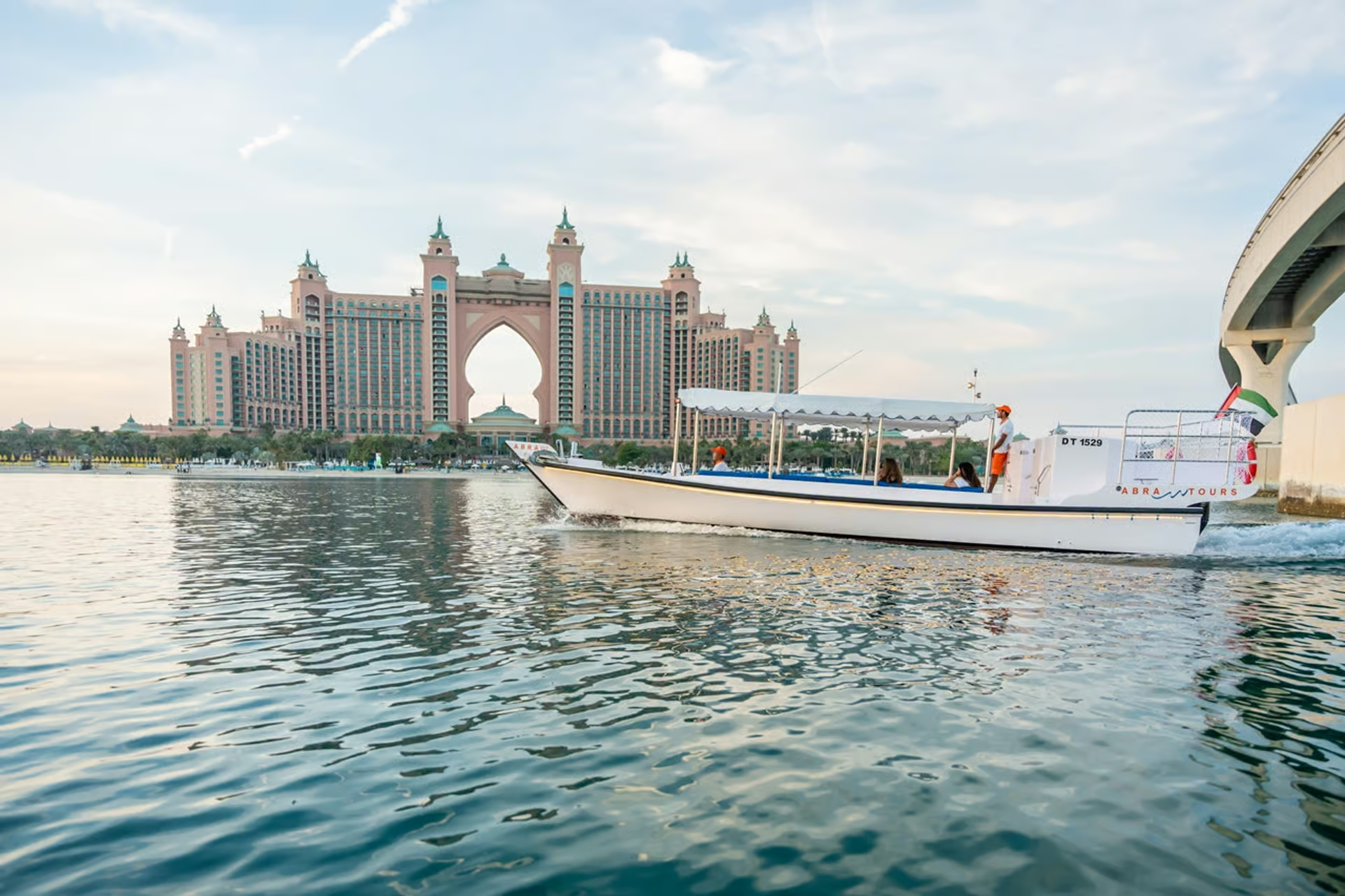
Picture a waterfront neighborhood filled with tall residential towers, yacht clubs, restaurants lining the water, and a constant stream of people who want to live there. That’s Dubai Marina.
This area has become one of the most popular spots in the city. Why? Because it offers everything modern renters and buyers want. A beautiful marina to walk along. Beaches nearby. Plenty of cafes and restaurants. And a community feel despite being in the heart of the city.
Who rents here? Mostly expats working in professional jobs and tourists who want a prime location for their Dubai stay. The mix of long-term and short-term renters means your property rarely sits empty.
The luxury waterfront lifestyle attracts people willing to pay premium rents. And because Dubai Marina has excellent metro connectivity, residents can reach Downtown or Business Bay in minutes. That makes it practical, not just pretty.
For investors, 1-bedroom and 2-bedroom units give the best returns. These are the most in-demand sizes. A studio might be harder to rent out long-term, while a 3-bedroom villa is expensive and limits your potential tenant pool.
One big advantage here: Dubai Marina is ideal for short-term rentals. Platforms like Airbnb work really well in this area because tourists love staying by the water. You can often charge more per night than monthly rent would give you, though you’ll need to manage bookings more actively.
Average ROI in Dubai Marina? You’re looking at 6% to 8% annually. That’s solid, consistent, and backed by years of data.
2. Downtown Dubai
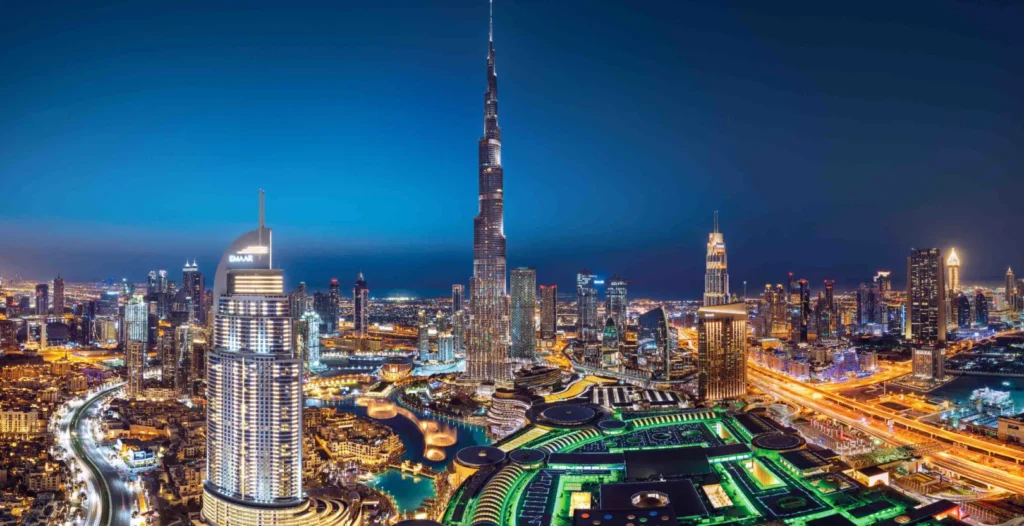
If Dubai Marina is the cool waterfront neighborhood, Downtown Dubai is the prestigious city center. This is where you’ll find the Burj Khalifa, Dubai Mall, and the famous fountain shows that tourists flock to see.
Buying here is a statement. It tells the world you own property in the most iconic part of Dubai. And that prestige translates into real financial benefits.
Demand stays high. Always. People want to live near the Burj Khalifa. They want walking distance to world-class shopping and dining. And they’re willing to pay for it. This means low vacancy rates. Your property won’t sit empty while you search for tenants.
Capital appreciation in Downtown tends to be strong as well. While other areas might see their prices fluctuate, Downtown properties hold value better. Think of it like buying blue-chip stocks versus penny stocks. Downtown is the blue chip of Dubai real estate.
The tradeoff? Entry prices are higher. You’ll pay more per square foot in Downtown than almost anywhere else in Dubai. But what you get in return is stability, prestige, and long-term reliability.
Many investors who buy in Downtown aren’t chasing the absolute highest rental yield. They want the peace of mind that comes with owning premium real estate in a globally recognized location. They know their investment is safe.
ROI in Downtown Dubai typically ranges from 5% to 7%. Slightly lower than some other areas, but backed by the strongest fundamentals in the city.
3. Business Bay
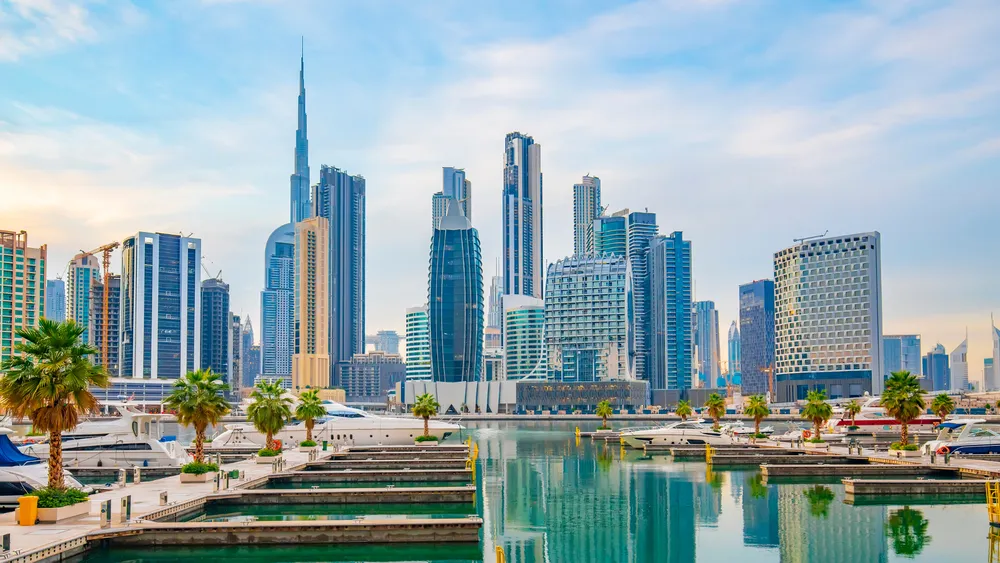
Here’s where things get interesting for value-focused investors.
Business Bay is Dubai’s fastest-growing mixed-use district. It combines residential towers with corporate offices, restaurants, and waterfront views of the Dubai Water Canal. The area feels modern, dynamic, and business-focused.
What makes Business Bay special is the balance it strikes. You get many of the benefits of Downtown (proximity, infrastructure, demand) but at a more affordable price point. It’s like getting a luxury car with last year’s model discount.
New developments keep popping up here. Developers love Business Bay because land is available and buyers are eager. This constant supply of new buildings might seem like it would hurt prices, but demand from young professionals and corporate renters keeps pace.
The tenant base here is distinct. You’re mostly renting to people who work nearby. They want a short commute. They value modern amenities. And they’re willing to sign longer leases if the property meets their needs.
Waterfront properties along the canal command premium rents. But even buildings a few blocks back perform well because the entire district is well-planned and connected.
For investors on a moderate budget who want strong returns without paying Downtown prices, Business Bay is hard to beat. Average ROI here ranges from 6% to 9%, depending on the specific building and unit type.
4. JVC (Jumeirah Village Circle)
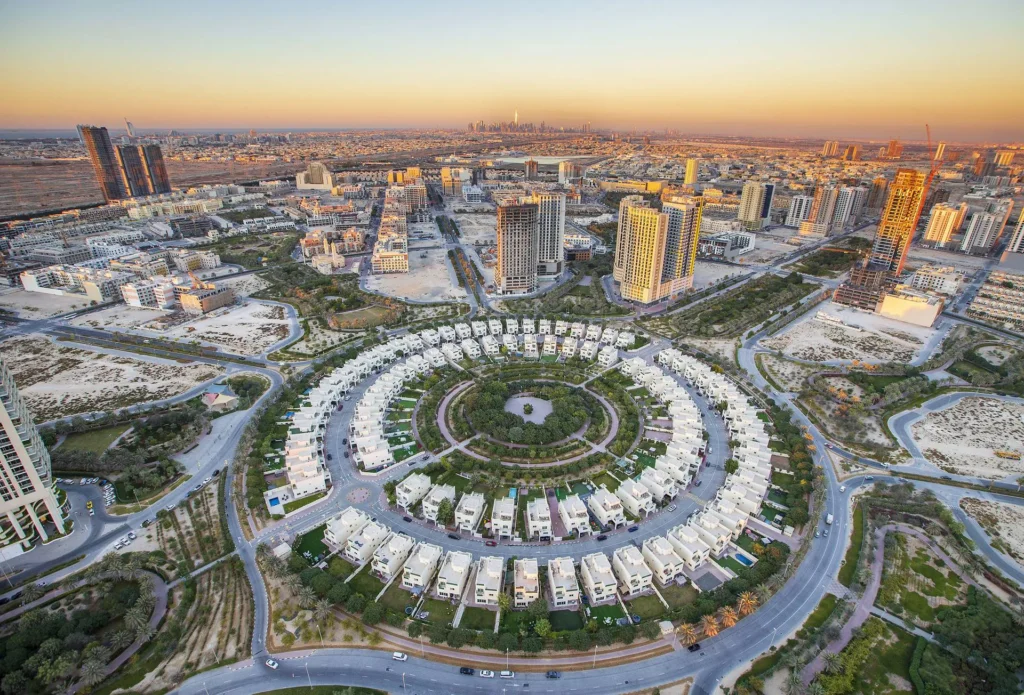
Not every investment needs to be in a flashy, high-profile area. Sometimes the best returns come from steady, reliable neighborhoods that families love.
JVC is exactly that.
This community offers high rental yields because it attracts long-term tenants. We’re talking about families who need schools nearby, parks for kids to play, and a safe, quiet environment. These tenants sign year-long leases (or longer) and take care of the property because it’s their home.
The entry price in JVC is budget-friendly. You can buy a decent 1-bedroom or 2-bedroom apartment here for significantly less than you’d pay in Marina or Downtown. And yet, the rental income as a percentage of purchase price is often higher.
Think about it like this. Would you rather spend 2 million AED on a property that earns 100,000 AED per year (5% yield), or spend 800,000 AED on a property that earns 64,000 AED per year (8% yield)? Both are good investments, but they serve different purposes.
JVC consistently ranks as one of Dubai’s most transacted areas. That tells you something important. When it’s time to sell, you’ll have buyers interested. Liquidity matters in real estate just like it does in stocks.
Average rental yields in JVC can reach 7% to 9%, making it one of the top choices for investors focused purely on cash flow.
5. Palm Jumeirah
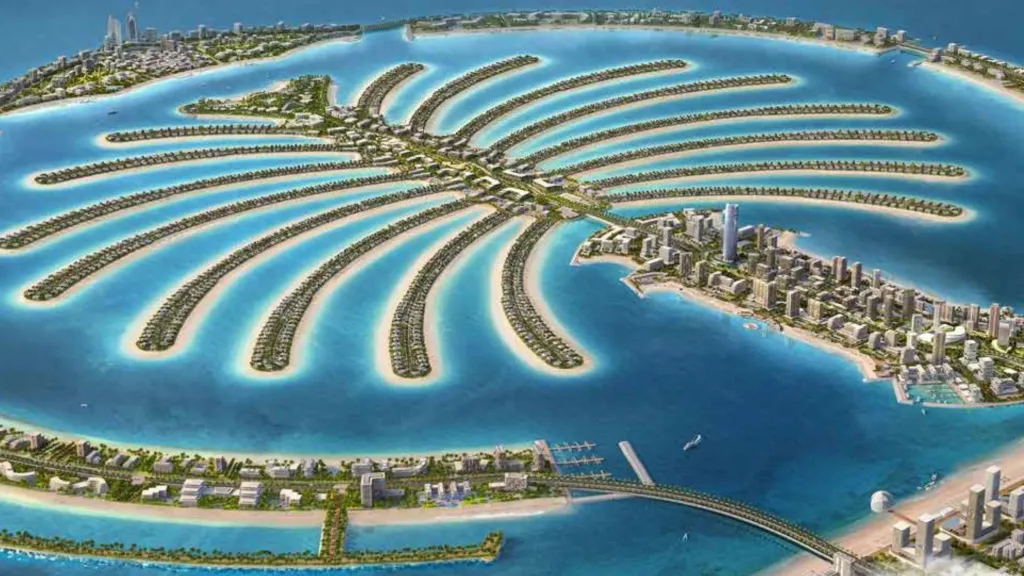
Let’s talk about the ultra-luxury segment.
Palm Jumeirah isn’t for everyone. This man-made island shaped like a palm tree represents the absolute peak of Dubai’s ambition and luxury. Villas here cost millions. Penthouses overlook the Arabian Gulf. And the residents include celebrities, business tycoons, and people who want the best of the best.
So why invest here?
International demand stays strong regardless of market conditions. Wealthy buyers from around the world see Palm Jumeirah as a trophy asset. They’re not just buying a home. They’re buying status, views, and a lifestyle that few other places on earth can offer.
Capital appreciation on the Palm tends to be strong. While rental yields might be lower (4% to 6%), the property value itself often increases faster than in mid-market areas. You’re playing the long game here, banking on your property being worth significantly more in 10 or 15 years.
Branded residences from names like Bulgari, One&Only, and Atlantis add another layer of appeal. These come with hotel-like services, which attract premium renters who don’t mind paying extra for convenience and luxury.
The Palm isn’t the easiest investment. It requires serious capital, and you need to be comfortable with lower short-term yields. But if you want to own a piece of one of the world’s most iconic developments, this is your spot.
6. Dubai Silicon Oasis
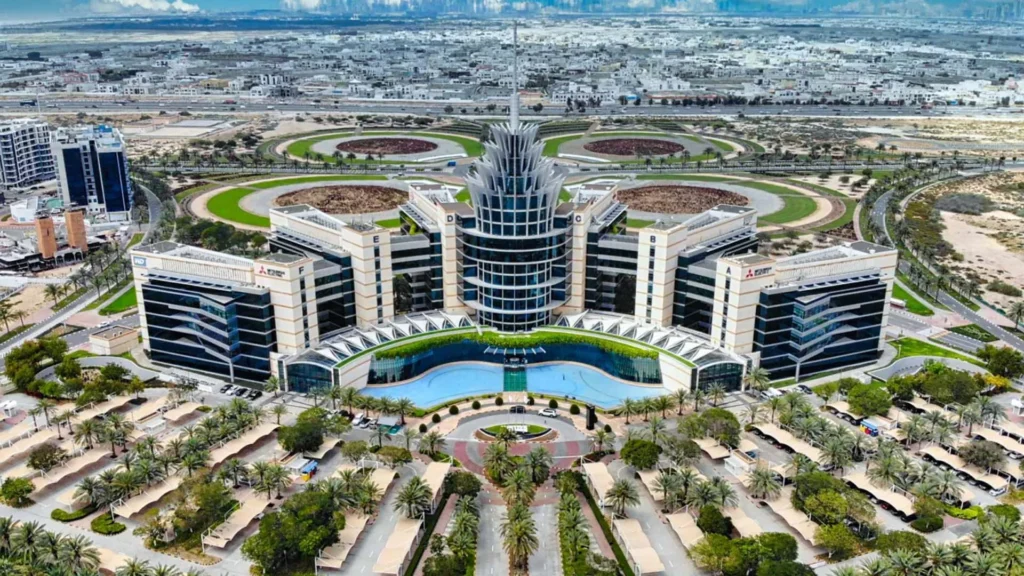
Here’s an area that doesn’t get enough attention.
Dubai Silicon Oasis (DSO) is a government-owned free zone focused on technology and innovation. It houses tech companies, startups, and thousands of workers who need somewhere affordable to live nearby.
The investment case is simple. Tech workers need housing. DSO provides affordable units within walking distance of their offices. This creates steady, predictable demand.
Prices here are among the most budget-friendly in Dubai. You can enter the market with a relatively small amount of capital and still get a modern, well-maintained property. For first-time investors or those who want to diversify across multiple properties, DSO makes a lot of sense.
Smaller units (studios and 1-bedrooms) perform particularly well here. Young professionals don’t need huge apartments. They want something clean, convenient, and affordable. Check those boxes, and you’ll have tenants lining up.
Average ROI in Dubai Silicon Oasis ranges from 6% to 8%. Not the highest in Dubai, but definitely solid, especially given the low entry cost.
7. Expo City Dubai
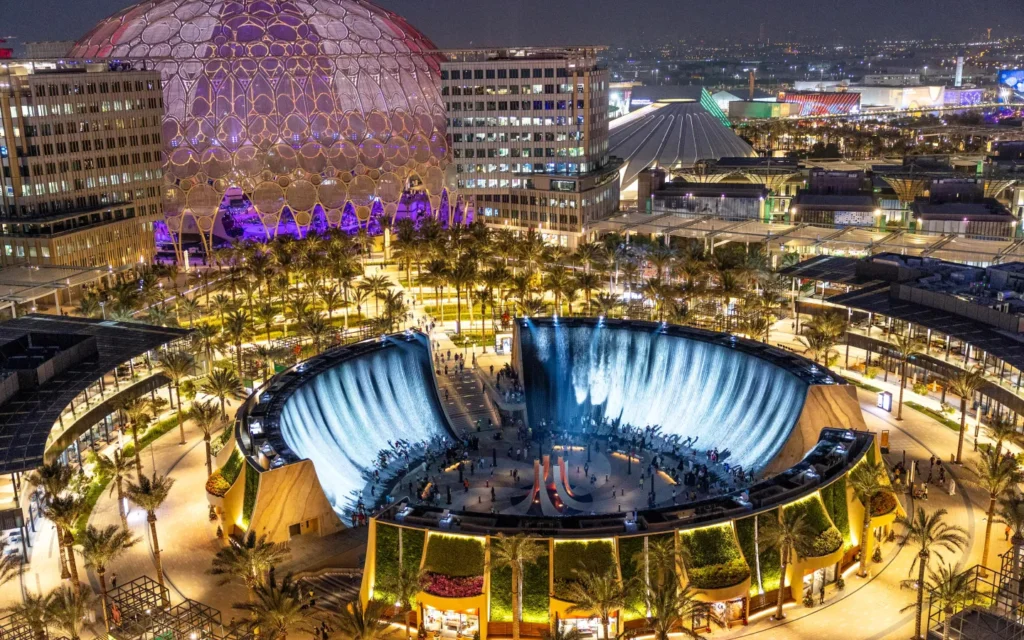
This one is all about the future.
After Dubai hosted Expo 2020 (held in 2021-2022 due to COVID delays), the massive site didn’t just shut down. It transformed into Expo City Dubai, a permanent smart city district focused on sustafinability, innovation, and future living.
Interest in this area has been surging. Why? Because it represents where Dubai is headed. Smart infrastructure. Green spaces. Cutting-edge design. And connectivity to the rest of the city through metro and road networks.
Buying here is a bet on long-term growth. Early investors who got into areas like Dubai Marina or JVC 10 or 15 years ago saw massive returns as those neighborhoods matured. Expo City might follow a similar path.
The area is still developing, which means you’re buying at the ground floor. Prices are reasonable because the full ecosystem isn’t complete yet. But as more businesses, schools, and amenities open, demand will likely increase.
This isn’t a safe, proven investment like Downtown. It’s more speculative. But for investors comfortable with a longer time horizon and some uncertainty, the long-term potential could be significant.
ROI Comparison Across Dubai’s Top Areas
Let’s put some numbers to all of this.
Here’s a quick comparison table showing average ROI ranges and the type of investors each area typically attracts:
| Area | Average ROI | Type of Investors |
|---|---|---|
| Dubai Marina | 6-8% | Short-term rental investors |
| Downtown Dubai | 5-7% | Luxury investors |
| Business Bay | 6-9% | Young professionals / corporate rentals |
| JVC | 7-9% | Budget investors |
| Palm Jumeirah | 4-6% | Premium buyers |
| Dubai Silicon Oasis | 6-8% | Long-term rentals |
Keep in mind these are averages. Your actual returns will depend on the specific property, how well you manage it, and market conditions when you buy and sell.
But this gives you a roadmap. If you want maximum cash flow right now, JVC and Business Bay lead the pack. If you want prestige and long-term appreciation, Downtown and Palm Jumeirah make more sense.
Key Factors That Influence ROI in Dubai
ROI doesn’t just fall from the sky. It’s shaped by specific, measurable factors. Understanding these helps you pick better properties and avoid expensive mistakes.
Location and connectivity matter more than almost anything else. A property near a metro station will rent faster and for more money than one requiring a car for every trip. Proximity to business districts, schools, and shopping also drives demand. Think about your daily life. Would you rather commute 20 minutes or 60 minutes? Your tenants think the same way.
Property type and developer brand affect both rental income and resale value. Emaar, Nakheel, and Damac are names people trust. They build quality developments, maintain common areas, and create communities people want to live in. A no-name developer might offer a lower purchase price, but you could struggle to find tenants or buyers later.
Short-term rental potential can dramatically boost your returns. A property in Dubai Marina that earns 100,000 AED per year from long-term rent might earn 140,000 AED if you rent it short-term through platforms like Airbnb or Booking.com. But this requires more work. You’ll need to manage bookings, cleaning, and guest communication. It’s not passive income anymore.
Supply versus demand in each area tells you whether prices will rise, fall, or stay flat. Too many new developments competing for the same tenants will push rents down. Limited supply with growing demand pushes rents up. Before buying, research how many units are coming to market in the next 12 to 24 months.
Upcoming infrastructure projects can transform an area’s prospects. A new metro line can cut commute times in half. A major mall opening nearby adds convenience. These changes increase demand, which raises both rental rates and property values. Dubai’s government regularly announces big projects, so staying informed pays off.
Community amenities and lifestyle appeal influence who wants to live there and how much they’ll pay. Pools, gyms, parks, and retail within the community make life easier. Developments with these features command higher rents because residents value convenience.
Here’s an insight that ties it all together: Dubai’s ROI is driven by tenant demand from more than 200 nationalities. This isn’t a market dependent on one country’s economy or one industry’s health. It’s globally diversified. When Europe slows down, demand from Asia stays strong. When oil prices drop, tech workers and finance professionals keep the market moving. That diversity creates resilience.
How to Choose the Best Area to Invest in Dubai
We’ve covered a lot of ground. Now let’s make it practical.
Here’s a step-by-step process for choosing where to invest:
Set your investment goal first. Are you focused on rental income right now, or are you willing to wait for capital appreciation? If you need cash flow today, target high-yield areas like JVC or Business Bay. If you’re building long-term wealth and can afford to wait, Downtown or Palm Jumeirah might suit you better.
Decide your budget range. Be realistic. Don’t stretch so far that one bad month or unexpected expense creates problems. A good rule is to ensure you can cover 6 to 12 months of mortgage payments and service charges from savings, even if the property sits empty. This buffer protects you from being forced to sell during a downturn.
Pick an area with proven occupancy rates. High occupancy means your property won’t sit vacant. Talk to property management companies, check online rental listings, and ask how long units typically take to rent. Areas with 90%+ occupancy rates are your safest bets.
Compare off-plan versus ready properties. Off-plan means buying before construction finishes. You get lower prices and flexible payment plans. But you wait years before earning rental income, and there’s some risk if the developer delays or market conditions change. Ready properties cost more but generate income immediately. Choose based on your timeline and risk tolerance.
Check upcoming infrastructure or metro expansions. Dubai’s metro system constantly expands. New stations increase property values in surrounding areas. The same applies to major roads, bridges, and public transport links. Buying near a planned metro station before it opens could boost your ROI significantly.
Understand the service charges. Every community charges maintenance fees. These cover security, landscaping, pool upkeep, and common area maintenance. Higher-end developments have higher fees. Factor these into your ROI calculations. A property earning 80,000 AED per year looks great until you realize service charges eat 20,000 AED of that.
Study recent transaction data. Dubai Land Department publishes sale prices. Property portals show rental listings. Spend time researching what properties actually sold for, not just what sellers asked. This prevents you from overpaying and helps you negotiate better deals.
The process isn’t complicated. It just requires patience and research. Treat property investment like you’d treat buying a business. You wouldn’t buy a business without studying its finances, right? Apply the same discipline here.
Final Thoughts on the Best Areas to Invest in Dubai
Dubai offers something rare in today’s world. A mix of luxury, affordability, and genuine high-growth potential all in one market.
Whether you’re drawn to the waterfront lifestyle of Dubai Marina, the prestige of Downtown Dubai, the value proposition of Business Bay, or the reliable yields from JVC, there’s an area that fits your goals and budget.
The city’s tax-free ecosystem means more money stays in your pocket. The constant influx of people from every corner of the globe creates steady demand. And the government’s commitment to growth ensures new opportunities keep emerging.
Real estate in Dubai isn’t a gamble. It’s a calculated investment backed by clear data, transparent regulations, and decades of growth. People who invested here 10 or 15 years ago have built serious wealth. The opportunity still exists today, especially in emerging areas with strong fundamentals.
Do your research. Set clear goals. Pick an area that matches your strategy. And take action.
Dubai’s property market rewards investors who understand what they’re buying and why. Now you have the roadmap. The rest is up to you.
FAQ
What does ROI mean in Dubai property investment?
ROI stands for Return on Investment. It measures how much profit your property makes compared to what you paid, usually shown as a percentage of annual rental income or capital appreciation. In Dubai, good ROI areas often deliver 6 to 9 percent or more, partly because of strong rental demand and capital growth.
Which areas in Dubai offer the highest rental returns?
Some of the top areas for rental yield and steady income include Dubai Marina, Jumeirah Village Circle (JVC), Business Bay, and Palm Jumeirah. JVC and International City often lead on yield because units are more affordable but very popular with tenants.
Is Dubai Marina a good investment for ROI?
Yes. Dubai Marina consistently performs well with strong rental demand, especially for smaller apartments. Yields around 6 percent are common on studios and one-bed units, making it one of the preferred locations for buy-to-let investors.
How about Jumeirah Village Circle (JVC)?
JVC is often highlighted for high ROI because it combines affordable entry prices with solid rental demand. It’s well connected to key employment hubs, which keeps rental occupancy high.
Should I invest in Business Bay?
Investors like Business Bay because it sits between Downtown Dubai and major business districts. It can offer stable rental income with strong capital appreciation potential over time.
Is Palm Jumeirah still a good choice?
Palm Jumeirah is more luxury-oriented. Rental yields are a bit lower compared to entry-level communities, but capital growth and prestige remain strong, which can boost resale value and long-term returns.
Are there emerging areas with high future ROI?
Yes. Dubai South and International City are often mentioned as strong upcoming ROI zones due to affordability, infrastructure growth, and tenant demand.
Does type of property affect ROI?
Definitely. Smaller apartments like studios and one-bedrooms usually offer higher rental yields, while larger villas may deliver better capital growth if held long term.
Do off-plan properties offer good ROI?
Off-plan properties can deliver higher capital appreciation if the developer and project fundamentals are strong. Savvy investors use them for long-term gain rather than short-term rental income.
Is Dubai good for foreign investors?
Yes. Dubai allows 100 percent foreign ownership in many freehold zones and has no income tax on rental income. That makes it very attractive to global investors seeking high yields and capital growth.
What should I consider before investing for high ROI in Dubai?
Look at location demand, transport links, amenities, developer reputation, and unit size. Pricing and upcoming infrastructure plans also influence both rental returns


One Response