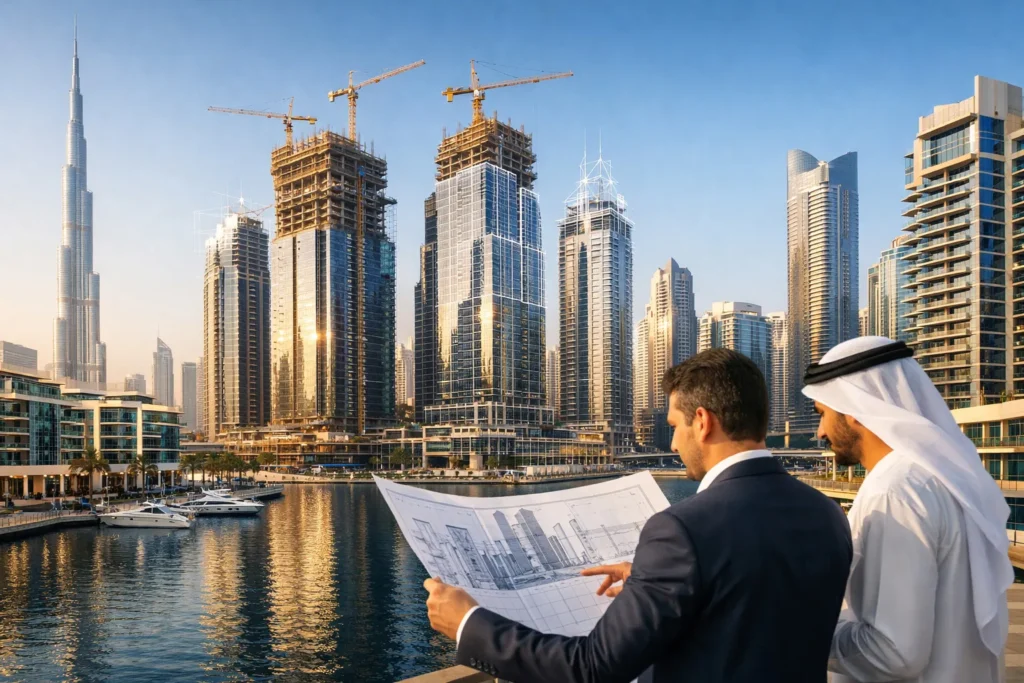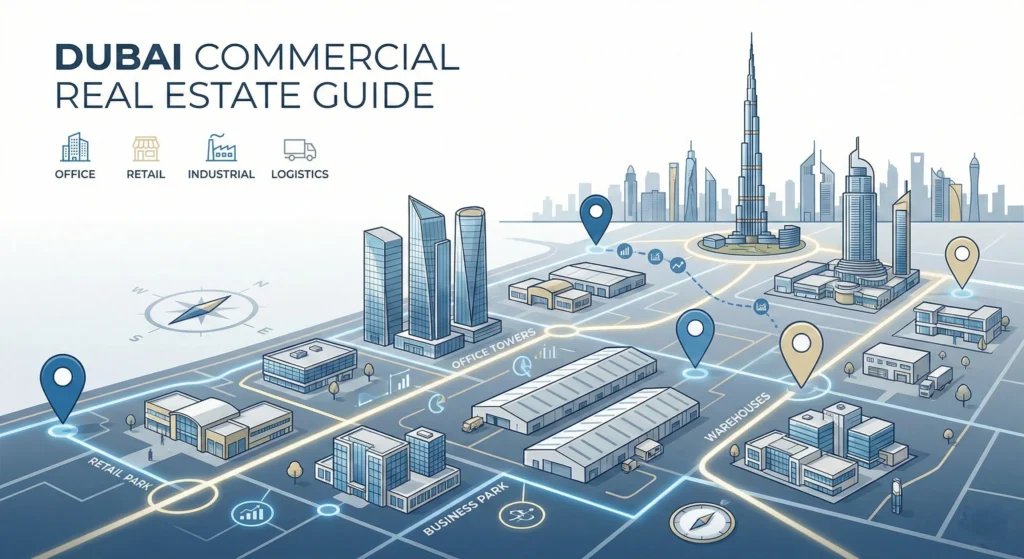

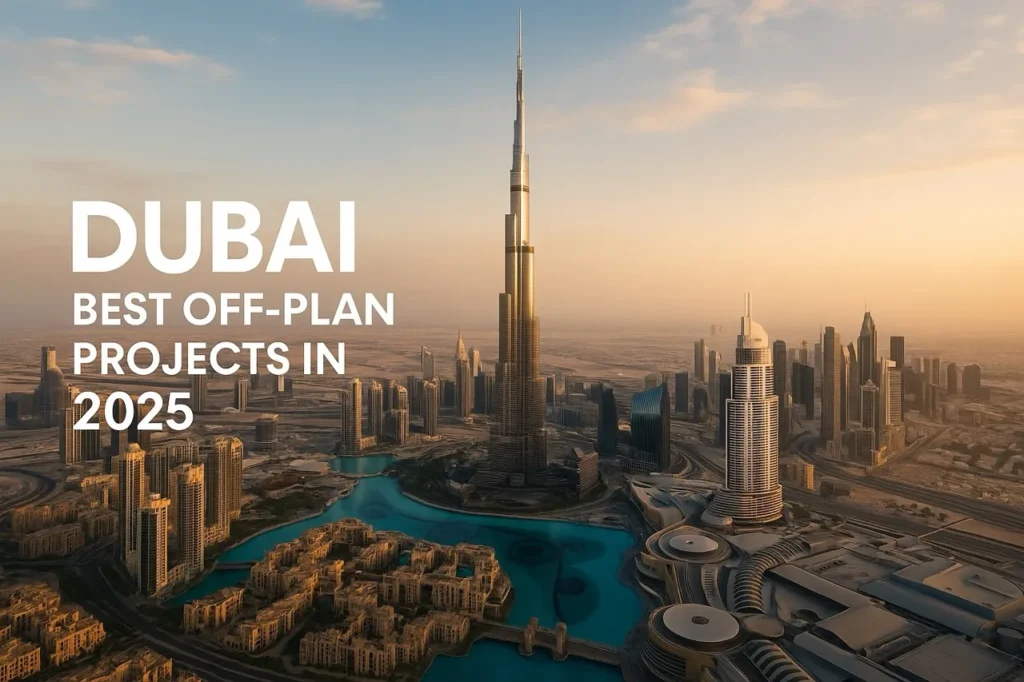
Dubai Best Off-Plan Projects in 2025 are gaining massive traction among global investors, NRIs, expats, and lifestyle-focused buyers due to high appreciation potential, flexible payment plans, and next-generation master communities. With new waterfront, island, and branded residence launches, 2025 is shaping up to be one of Dubai’s strongest years for off-plan demand — attracting both short-term flippers and long-term wealth builders.
Dubai’s off-plan market is still the star of the city’s real estate story in 2025.
Off-plan properties now make up well over 60% of total sales, driven by new launches, flexible payment plans and strong investor demand.
For both investors and end-users, the big questions are simple:
Which areas and projects are worth it in 2025?
Which developers are safest to trust?
What ROI can you realistically expect?
This guide breaks it down with short, skimmable sections, real numbers, and area-wise insights so you can take a confident decision.
Why Dubai Off-Plan is Still Hot in 2025
Dubai’s real estate market is coming off record years in 2023–2024, with 2024 alone recording around AED 761 billion in transactions, the highest in history.
Key 2024–2025 trends that matter for you:
- Off-plan dominates transactions – in many quarters, off-plan accounts for 65–75% of sales volume.
- Strong economic backing – Dubai’s GDP growth and population inflows remain healthy, supporting genuine housing demand, not just speculation.
- New government initiatives – schemes like the “first home” initiative are making it easier for salaried residents to buy properties up to AED 1 million with better mortgage access and discounts from major developers.
At the same time, analysts are warning about oversupply risks in some apartment segments from 2025–2027, with up to 150,000 new homes expected and a possible price softening from 2026.
What this means for you:
Choose the right community + right developer + right entry price, and off-plan can still deliver 6–8% rental yields in many mid-market areas, plus capital appreciation over the medium term.
Best Areas for Off-Plan Investment in Dubai (2025)
Below are the most in-demand off-plan areas in 2025, combining ROI, liquidity and lifestyle appeal.
1. Dubai Creek Harbour
Dubai Creek Harbour has become one of the top off-plan hotspots thanks to its waterfront living, skyline views and Emaar’s master planning.
Why investors like it:
- Strong brand pull via Emaar
- Waterfront lifestyle, future tourism appeal
- Good mix of 1–3 bed apartments – ideal for both residents and holiday rentals
Typical profile (approximate):
- Ticket size: AED 1.3M–2.2M for 1–2 bed apartments
- Expected rental yields (on completion): ~6–7% in a balanced market
- Investor type: Long-term capital appreciation, branded waterfront living
2. Dubai Hills Estate
Dubai Hills Estate is now a “new Dubai classic”, with a golf course, villas, townhouses and mid-rise apartments, and is consistently rated as one of the top investment areas for 2025–2026.
Why it works:
- Strong end-user demand (families, professionals)
- Established schools, malls, parks
- Emaar + Meraas pedigree
Typical profile:
- Ticket size: Around AED 1.6M+ for a 1–2 bed apartment off-plan
- Expected rental yields: ~5.5–6.5% (lower yield but higher end-user stability)
- Investor type: End-users and long-term, low-risk investors
3. Business Bay
Business Bay is a central mixed-use hub near Downtown, Dubai Canal and major business districts, often listed among the best areas to invest in 2025.
Why it’s still hot:
- Central location near Burj Khalifa and DIFC
- Constant demand from young professionals and corporates
- Strong resale and rental liquidity
Typical profile:
- Ticket size: AED 1.3M–2.0M for studios & 1-beds off-plan
- Expected yields: ~6–7% with good furnishing & management
- Investor type: Yield + liquidity focused investors
4. Jumeirah Village Circle (JVC)
JVC has matured into an affordable investment hub, with some of the highest rental yields in Dubai (often up to 8%) due to its price point and tenant demand.
Why it’s attractive:
- Lower entry prices vs prime areas
- Continuous influx of mid-income tenants
- Many new projects from mid-tier developers like Danube, Binghatti, Samana, etc.
Typical profile:
- Ticket size: AED 750K–1.3M for studios & 1-beds
- Expected yields: 7–8% in many buildings
- Investor type: Yield-hungry investors okay with mid-market product
5. Dubai South & Expo Corridor
Dubai South is becoming a future-growth corridor tied to Al Maktoum Airport and Expo City, with strong marketing as a logistics, aviation and residential hub.
Why to consider it:
- Lower land cost → more attractive launch prices
- Future infrastructure and employment growth around Expo / aviation
- Popular with investors who have 7–10 year horizons
Typical profile:
- Ticket size: AED 800K–1.4M
- Expected yields (on stabilisation): ~6.5–7.5%
- Investor type: Long-horizon investors betting on area growth
6. Emaar Beachfront, Rashid Yachts & Marina & Waterfront Spots
Waterfront projects like Emaar Beachfront and Rashid Yachts & Marina remain favourites among premium investors, with a strong lifestyle/holiday home angle.
Pros:
- High lifestyle value, strong short-stay potential
- Limited genuine beachfront supply
- Run by tier-1 developers
Cons:
- Higher ticket sizes
- Yields may be similar to mid-market despite premium prices
Top Developers in Dubai 2025 (Safety & Brand Value)
In a market where many new names enter every year, developer quality is your first risk filter.
According to 2025 market reports, the top developers by sales and reputation include:
- Emaar Properties – Market leader with mega communities like Downtown, Dubai Hills, Dubai Creek Harbour, Emaar Beachfront
- DAMAC Properties – Known for branded luxury towers, golf communities and lifestyle projects
- Sobha Realty – High-finish, master-planned communities (Sobha Hartland, Sobha One, etc.)
- Dubai Holding / Meraas / Nakheel – Government-linked entities behind areas like Jumeirah, Palm Jumeirah, Bluewaters
- Ellington – Boutique developer with design-focused residences
- Danube, Binghatti, Samana, Azizi – Strong presence in mid-market, especially in JVC, Business Bay, Dubai Silicon Oasis
Practical rule:
For serious capital, prioritise tier-1 and established tier-2 developers with a clear track record of on-time delivery and quality.
ROI Breakdown: What Returns Are Realistic in 2025?
ROI depends on entry price, area, developer, and handover timing.
Below are typical ranges (not guarantees) for well-selected off-plan projects:
1. Rental Yields (post-handover)
- Prime waterfront / luxury (Downtown, Palm, Beachfront): ~4.5–6% net, but strong long-term capital preservation
- Established mid-high areas (Dubai Hills, Creek Harbour, Business Bay): ~5.5–7% net in stable conditions
- Affordable / mid-market areas (JVC, Dubai South, parts of Dubailand): ~7–8% net possible, especially for smaller units and good management
2. Capital Appreciation (2025–2028)
- Well-timed off-plan purchases at launch or early phases in growth corridors have historically delivered 15–30% price gains by or shortly after handover in strong market cycles.
- However, with new supply peaking from 2025–2027, experts expect more moderate growth and possible price corrections in some segments from 2026 onwards.
Key takeaway:
Don’t buy purely on projected “flip profits.”
Focus on sustainable rentability, quality, and holding power.
Payment Plans: How Off-Plan Deals Work in 2025
Most Dubai off-plan projects follow some variation of:
- Booking amount: 5–20%
- During construction: ~40–60% spread across milestones
- On handover: 20–40% (or post-handover payment plan in some cases)
Look out for:
- Post-handover payment plans – smoother cash flow but often priced higher
- DLD registration fees – usually 4% of purchase price (sometimes partly covered by developer promos)
- Service charges – important in waterfront or amenity-heavy projects
How to Choose the Right Off-Plan Project (Checklist)
Use this quick checklist before signing anything:
1. Developer & Track Record
- Completed projects delivered on time?
- Any major quality or snagging complaints?
- Financial strength and backing?
2. Community & Location
- Is it in a growth corridor (Creek Harbour, Expo, Dubai South) or saturated zone?
- Current and planned infrastructure (metro, schools, malls)?
- Competing supply – how many similar units launching nearby?
3. Price vs Market
- Price per sq. ft vs current ready stock in same area
- Is there at least 10–15% logical “construction discount” vs completed properties?
- Realistic rental expectations (talk to multiple agents / portals)
4. Contract & Exit Strategy
- Penalties for payment delays?
- NOC and resale conditions before handover?
- Expected handover quarter & year – is it realistic?
Risks of Off-Plan & How to Manage Them
Off-plan is attractive, but not risk-free.
Main risks:
- Construction delays – push back your rental income and ROI
- Market correction – if you overpay during a peak, prices may soften by handover.
- Cash flow stress – milestone payments plus mortgage approval timing
- Developer / quality risk – poor finishing, higher snagging costs
How to reduce risk:
- Prefer established developers and master communities
- Avoid overly speculative “flip only” strategies
- Keep 6–12 months of instalments + fees as reserve
- Get contracts reviewed by a RERA-aware lawyer or advisor
- Check RERA & DLD data on project registration and progress
Step-by-Step: Buying an Off-Plan Property in Dubai (2025)
- Define budget & financing
- Check eligibility with banks / mortgage brokers, especially for residents under the new first-home programmes.
- Shortlist area + developer
- Choose 2–3 communities and compare per sq. ft prices, service charges, and rental demand.
- Evaluate specific project
- Study masterplan, floor plans, views, amenities, handover timeline.
- Reserve unit & sign SPA
- Pay booking amount, sign Sales & Purchase Agreement registered with DLD/RERA.
- Follow payment schedule
- Pay instalments as per construction milestones; monitor site progress.
- Handover, snagging & leasing
- Do a full snagging inspection, get keys, register Ejari, then list for rent or move in.
How MostlyProperty Can Help
Buying off-plan in Dubai in 2025 is not just about booking the “most beautiful brochure.”
It’s about matching the right project with your budget, risk level, and ROI expectations.
With a specialist Dubai-focused platform like MostlyProperty, you can:
- Compare top off-plan projects by area, ROI and payment plan
- Shortlist only verified developers and communities
- Get data-backed insights instead of marketing hype
- Connect with professionals for mortgage, legal and property management support
If you want to read about – Best Places to invest in Dubai Real Estate in 2025 – A Guide For Investors
FAQs
Is buying off-plan in Dubai a good idea in 2025?
Yes, off-plan can still be attractive in 2025 if you focus on strong locations, reputable developers, and realistic pricing. Off-plan dominates sales and yields of 6–8% are still achievable in many mid-market communities, but you should be prepared to hold through any short-term market corrections.
Which area is best for off-plan investment in Dubai in 2025?
Some of the best-performing off-plan areas in 2025 include Dubai Creek Harbour, Dubai Hills Estate, Business Bay, JVC, Dubai South and Emaar Beachfront.
Each area suits a different profile: JVC for higher yields, Dubai Hills for end-users, Creek Harbour and waterfront for lifestyle + long-term appreciation.
Who are the most trusted developers for off-plan in Dubai?
Tier-1 names like Emaar, DAMAC, Sobha, Dubai Holding (Meraas), Nakheel, Ellington, Azizi, Danube and Binghatti are widely recognised for large pipelines and consistent delivery, though quality varies by project. Always check the track record of the specific project, not only the brand.
What is the minimum investment for Dubai off-plan in 2025?
For mid-market communities like JVC or parts of Dubailand and Dubai South, entry prices can start around AED 700K–900K for studios or compact 1-bed apartments. Premium waterfront areas and golf communities typically start well above AED 1.5M.
How much ROI can I expect from Dubai off-plan properties?
In a normalised market, most well-selected off-plan units deliver:
Net rental yields: around 5–7% in prime / established areas and 7–8% in affordable communities
Capital gains: historically 15–30% from launch to handover in strong cycles, but future gains may be more moderate due to upcoming supply.
Are there any new trends off-plan investors should know in 2025?
Yes, a few important trends:
More branded residences and luxury communities (e.g. mega projects like Emaar’s new ultra-luxury communities)
Increasing focus on smaller, efficient layouts with co-working and shared amenities
More tech-enabled property management for remote investors (digital dashboards, automated rent collection, inspection reports)